


 by Workfile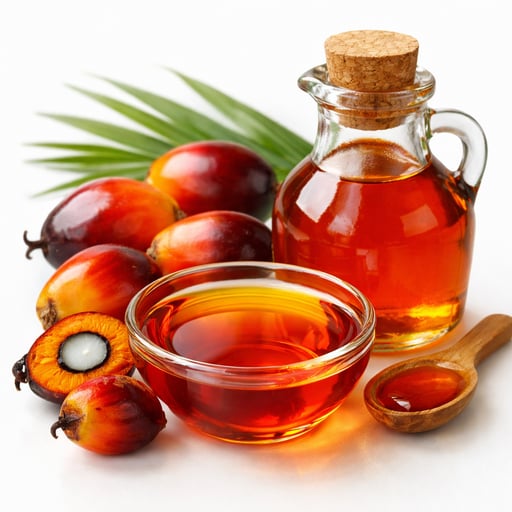
Palm oil
पाम ऑइल
Palm oil is a widely used cooking oil extracted from the fruit of oil palm trees, popular in Indian and South Asian cuisine for frying and sautéing due to its stability at high temperatures.
Nutrition per 100ml
Nutrient Breakdown
Key Nutrients(2)
% DV = % Daily Value (adult RDA, ICMR 2020). Values per 100ml edible portion.
Use Palm oil in meal plans
17,000+ foods with real-time nutrient tracking, AI generation, and WhatsApp sharing.
Start FreeFree plan · No credit card
Common questions about Palm oil
How many calories are in 1 teaspoon oil of Palm oil?
1 teaspoon oil (5 ml) of Palm oil has about 45 kcal, based on 900 kcal per 100 ml.
What are common culinary uses of palm oil in Indian cooking?
Palm oil is commonly used for frying, sautéing, and in making snacks and sweets due to its high smoke point and stability.
Is palm oil suitable for a vegan diet?
Yes, palm oil is plant-based and suitable for vegan diets as it contains no animal-derived ingredients.
How should palm oil be stored at home?
Palm oil should be stored in a cool, dry place away from direct sunlight to maintain freshness and prevent rancidity.
About Palm oil
Palm oil is obtained from the reddish pulp of the oil palm fruit, predominantly cultivated in tropical regions. It is one of the most commonly used edible oils in India and many other countries, appreciated for its relatively high smoke point making it suitable for deep frying and general cooking.
The oil is distinctive for its bright orange-red color due to beta-carotene content (provitamin A), which can provide small amounts of vitamin A activity. Nutritionally, palm oil is composed almost entirely of fat, with negligible amounts of protein, carbohydrates, sugars, or fiber. It contains mostly saturated and monounsaturated fats, offering good shelf stability but should be used in moderation.
Palm oil is vegan, contains no protein or carbohydrates, and does not naturally contain vitamins B12, C, or D. It has minimal minerals such as calcium, iron, and zinc. It has no sodium or sugars.
- Used extensively for frying, cooking, and as an ingredient in processed foods.
- Provides a cooking fat source but lacks protein or fiber.
- Contains small amounts of provitamin A (vitamin A precursors).
Palm oil is classified as a culinary ingredient (NOVA group 2) and represents a staple fat/oil choice in many Indian kitchens despite some nutritional debates regarding fatty acid profile.
Values per 100ml edible portion.
Nutrition data is for reference only. Values may vary by preparation method, brand, and region. Full disclaimer
Similar foods
Browse all →
Vegetable oil, palm kernel
वनस्पति तेल, पाम कर्नेल
Coconut oil
Corn oil
Oil, industrial, palm and palm kernel, filling fat (non-hydrogenated)
Sunflower oil
सूरजमुखी तेल