


 by Workfile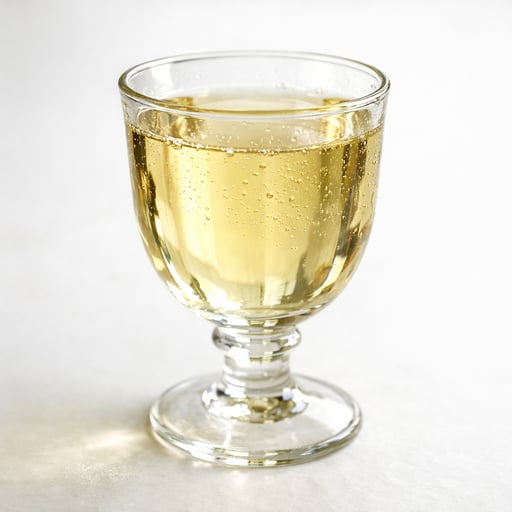
Alcoholic beverage, wine, table, white, Pinot Blanc
शराब, सफेद वाइन, टेबल, पिनोट ब्लांक
White table wine of the Pinot Blanc variety, commonly consumed as an alcoholic beverage with moderate calories and minimal nutrients.
Nutrition per 100ml
Nutrient Breakdown
Key Nutrients(3)
% DV = % Daily Value (adult RDA, ICMR 2020). Values per 100ml edible portion.
Use Alcoholic beverage, wine, table, white, Pinot Blanc in meal plans
17,000+ foods with real-time nutrient tracking, AI generation, and WhatsApp sharing.
Start FreeFree plan · No credit card
Common questions about Alcoholic beverage, wine, table, white, Pinot Blanc
How many calories are in serving (5 fl oz) of Alcoholic beverage, wine, table, white, Pinot Blanc?
serving (5 fl oz) (147 ml) of Alcoholic beverage, wine, table, white, Pinot Blanc has about 119 kcal, based on 81 kcal per 100 ml.
How much protein is in Alcoholic beverage, wine, table, white, Pinot Blanc?
Alcoholic beverage, wine, table, white, Pinot Blanc provides about 0.1 g of protein per 100 ml.
Is Pinot Blanc wine suitable for a vegan diet?
Yes, Pinot Blanc wine is considered vegan as it does not contain any animal-derived ingredients.
What is the typical use of white table wine?
White table wine is typically consumed as an alcoholic beverage, often paired with meals or enjoyed socially.
How should white wine be stored?
White wine should be stored in a cool, dark place, preferably refrigerated after opening, and consumed within a few days for best quality.
About Alcoholic beverage, wine, table, white, Pinot Blanc
White table wine, specifically the Pinot Blanc variety, is a popular alcoholic beverage enjoyed worldwide, including in India. It is produced by fermenting the juice of white grapes and typically contains around 12% alcohol by volume. This beverage is characterized by its light, crisp taste and subtle fruity flavors.
From a nutritional standpoint, white wine is low in calories and contains negligible amounts of protein and fat. It provides small amounts of carbohydrates mostly from residual sugars, but contains virtually no fiber and vitamins such as vitamin C or B12.
- Contains trace minerals such as potassium and calcium
- Contains no fat or dietary fiber
- Considered vegan as it contains no animal-derived ingredients
Due to alcohol content, it is classified as a beverage and is commonly consumed during meals or social occasions.
Values per 100ml edible portion.
Nutrition data is for reference only. Values may vary by preparation method, brand, and region. Full disclaimer
Similar foods
Browse all →Alcoholic beverage, wine, table, white, Sauvignon Blanc
Alcoholic beverage, wine, table, white, Pinot Gris (Grigio)
शराब, टेबल वाइन, सफेद, पिनोट ग्रिस (ग्रीगियो)
Alcoholic beverage, wine, table, white, Chenin Blanc
Alcoholic beverage, wine, table, white
शराब, वाइन, सफेद टेबल
Alcoholic beverage, wine, table, white, Chardonnay
Alcoholic beverage, wine, table, white, Fume Blanc
Alcoholic Beverage, wine, table, red, Pinot Noir
वाइन, टेबल, रेड, पिनोट नोयर
Alcoholic beverage, wine, table, white, Riesling