


 by Workfile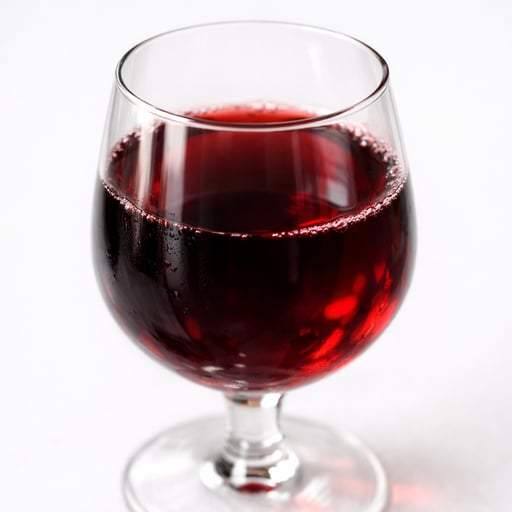
Alcoholic Beverage, wine, table, red, Pinot Noir
वाइन, टेबल, रेड, पिनोट नोयर
Red table wine made from Pinot Noir grapes, commonly consumed as an alcoholic beverage worldwide. Typically enjoyed in glasses during meals or social occasions.
Nutrition per 100ml
Nutrient Breakdown
Key Nutrients(3)
% DV = % Daily Value (adult RDA, ICMR 2020). Values per 100ml edible portion.
Use Alcoholic Beverage, wine, table, red, Pinot Noir in meal plans
17,000+ foods with real-time nutrient tracking, AI generation, and WhatsApp sharing.
Start FreeFree plan · No credit card
Common questions about Alcoholic Beverage, wine, table, red, Pinot Noir
How many calories are in fl oz of Alcoholic Beverage, wine, table, red, Pinot Noir?
fl oz (29 ml) of Alcoholic Beverage, wine, table, red, Pinot Noir has about 24 kcal, based on 82 kcal per 100 ml.
How much protein is in Alcoholic Beverage, wine, table, red, Pinot Noir?
Alcoholic Beverage, wine, table, red, Pinot Noir provides about 0.1 g of protein per 100 ml.
How is red wine commonly consumed?
Red wine is typically served in glasses during meals or social occasions as an alcoholic beverage.
Is red wine suitable for a vegan diet?
Yes, standard red wine like Pinot Noir is vegan as it contains no animal products.
How should red wine be stored after opening?
Once opened, red wine should be stored in a cool, dark place and consumed within a few days to preserve quality.
About Alcoholic Beverage, wine, table, red, Pinot Noir
Wine, specifically red table wine such as Pinot Noir, is produced by fermenting crushed grapes. It is widely consumed across the world and known for its characteristic taste, aroma, and moderate alcohol content. Pinot Noir is a popular red grape variety producing wines with a lighter body and fruity notes.
- Often served in glasses during meals or social gatherings
- Contains negligible fat and protein, with carbohydrates mainly from residual sugars
- Alcoholic content is not reflected directly in nutritional macros
- Minimal amounts of minerals such as potassium and calcium
As an alcoholic beverage, it is vegan and contains no gluten, dairy, nuts, or other common allergens. Wine provides minimal nutrition aside from energy from alcohol and trace micronutrients. Consumption should be mindful of alcohol content and intended use.
Values per 100ml edible portion.
Nutrition data is for reference only. Values may vary by preparation method, brand, and region. Full disclaimer
Similar foods
Browse all →Alcoholic Beverage, wine, table, red, Burgundy
Alcoholic Beverage, wine, table, red, Merlot
Alcoholic Beverage, wine, table, red, Cabernet Sauvignon
अल्कोहलिक पेय, रेड टेबल वाइन, कैबर्नेट सौविग्नन
Alcoholic beverage, wine, table, red
Alcoholic Beverage, wine, table, red, Gamay
Alcoholic Beverage, wine, table, red, Syrah
शराब, टेबल वाइन, रेड, सायराह
Alcoholic Beverage, wine, table, red, Cabernet Franc
शराब, रेड वाइन, कैबर्नेट फ्रांक
Alcoholic Beverage, wine, table, red, Mouvedre