


 by Workfile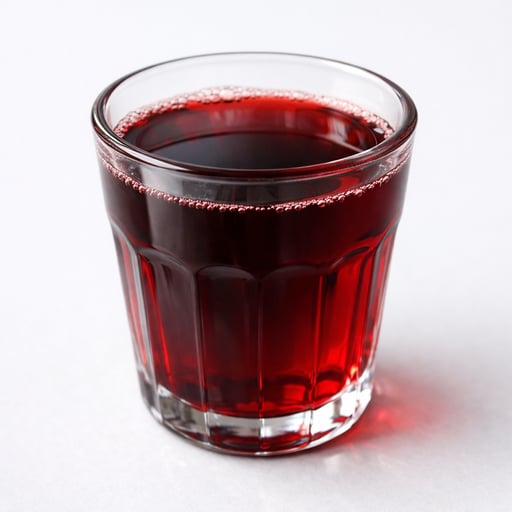
Alcoholic Beverage, wine, table, red, Cabernet Franc
शराब, रेड वाइन, कैबर्नेट फ्रांक
A dry red table wine made from Cabernet Franc grapes, commonly consumed as a beverage during meals or social occasions. Contains very low protein and fat, with minimal carbohydrates mostly from residual sugars.
Nutrition per 100ml
Nutrient Breakdown
Key Nutrients(3)
% DV = % Daily Value (adult RDA, ICMR 2020). Values per 100ml edible portion.
Use Alcoholic Beverage, wine, table, red, Cabernet Franc in meal plans
17,000+ foods with real-time nutrient tracking, AI generation, and WhatsApp sharing.
Start FreeFree plan · No credit card
Common questions about Alcoholic Beverage, wine, table, red, Cabernet Franc
How many calories are in fl oz of Alcoholic Beverage, wine, table, red, Cabernet Franc?
fl oz (29 ml) of Alcoholic Beverage, wine, table, red, Cabernet Franc has about 24 kcal, based on 83 kcal per 100 ml.
How much protein is in Alcoholic Beverage, wine, table, red, Cabernet Franc?
Alcoholic Beverage, wine, table, red, Cabernet Franc provides about 0.1 g of protein per 100 ml.
Is it suitable for a vegan diet?
Yes, Cabernet Franc red wine is vegan as it contains no animal products.
What are common uses of Cabernet Franc wine?
It is commonly consumed as a beverage during meals or social events and used in cooking to add flavor.
How should this wine be stored?
Keep the wine bottle sealed in a cool, dark place to preserve flavor and quality.
About Alcoholic Beverage, wine, table, red, Cabernet Franc
Red table wines, such as those made from the Cabernet Franc grape variety, are fermented alcoholic beverages enjoyed worldwide. They are typically consumed in small portions alongside meals or on social occasions, contributing to flavor and aroma experiences.
This wine variant is a vegan product with negligible amounts of protein and fat. The carbohydrate content is low and mostly comes from residual sugars left in the wine after fermentation. Generally, red wines contain trace amounts of minerals like potassium and iron, but vitamins such as A, B12, C, and D are negligible.
- It is commonly served in glasses measuring 100-150 grams.
- Wine is stored in bottles and should be kept away from light and excessive heat.
- Contains negligible sodium and no gluten or common allergens.
This estimate is based on standard entries for red table wines in nutritional databases, adjusted for common Indian household portion sizes.
Values per 100ml edible portion.
Nutrition data is for reference only. Values may vary by preparation method, brand, and region. Full disclaimer
Similar foods
Browse all →
Alcoholic Beverage, wine, table, red, Cabernet Sauvignon
अल्कोहलिक पेय, रेड टेबल वाइन, कैबर्नेट सौविग्नन
Alcoholic Beverage, wine, table, red, Syrah
शराब, टेबल वाइन, रेड, सायराह
Alcoholic Beverage, wine, table, red, Burgundy
Alcoholic Beverage, wine, table, red, Pinot Noir
वाइन, टेबल, रेड, पिनोट नोयर
Alcoholic Beverage, wine, table, red, Gamay
Alcoholic Beverage, wine, table, red, Merlot
Alcoholic beverage, wine, table, red
Alcoholic Beverage, wine, table, red, Mouvedre