Advertisement
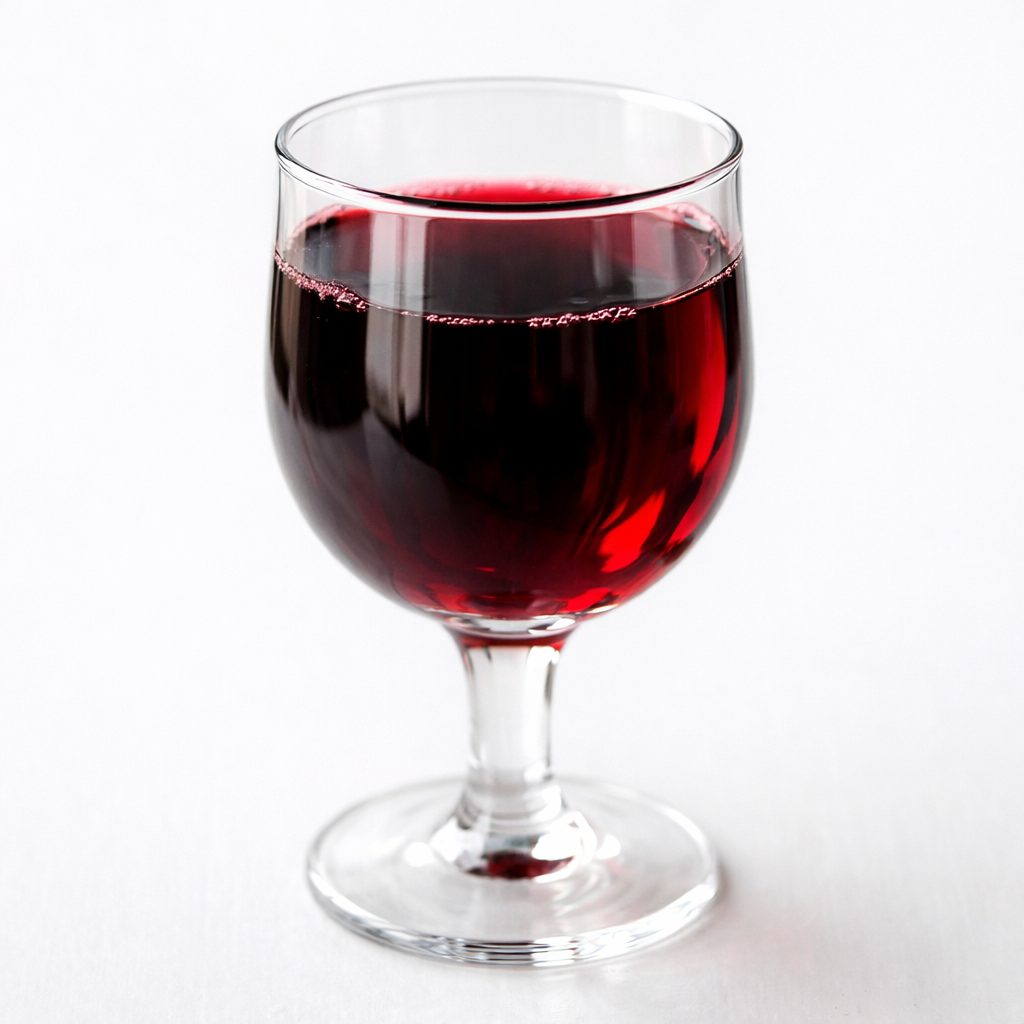
Alcoholic Beverage, wine, table, red, Cabernet Sauvignon
Illustration

Alcoholic Beverage, wine, table, red, Cabernet Sauvignon

अल्कोहलिक पेय, रेड टेबल वाइन, कैबर्नेट सौविग्नन

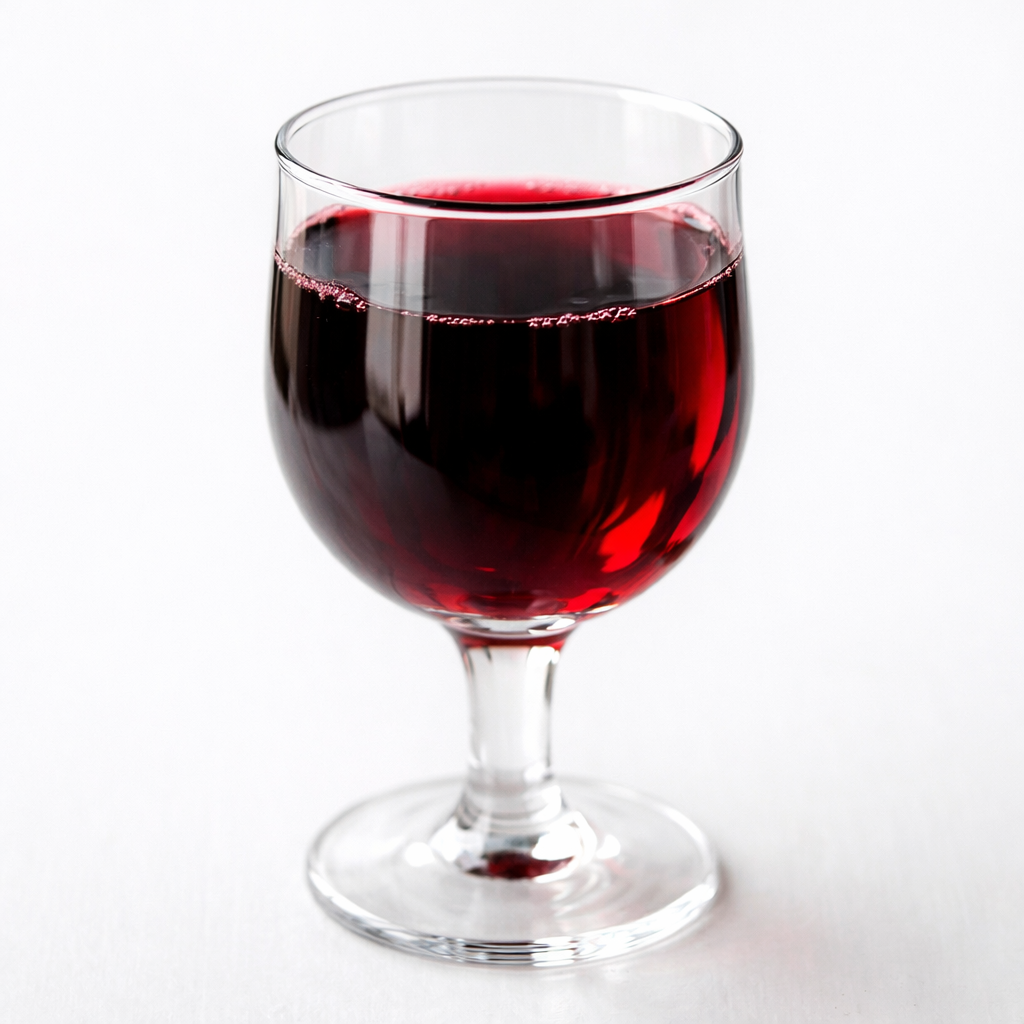
Alcoholic beverage made from fermented red grapes, Cabernet Sauvignon is a widely consumed red table wine known for its rich flavor and moderate alcohol content.

VegetarianLow calorie densityNOVA 3· Processed
83
kcal
0.1
Protein
2.6
Carbs
per 100ml
Beverages·Early Morning, Mid Morning, Evening Snack
Serving Size= 100ml

Nutrition per 100ml

Protein0.07g(3%)
Carbs2.6g(97%)
Fat0.00g(0%)
Advertisement

Nutrient Breakdown

% DV = % Daily Value (adult RDA, ICMR 2020). Values per 100ml edible portion.

Advertisement

Use Alcoholic Beverage, wine, table, red, Cabernet Sauvignon in meal plans

17,000+ foods with real-time nutrient tracking, AI generation, and WhatsApp sharing.

Start Free

Free plan · No credit card

Common questions about Alcoholic Beverage, wine, table, red, Cabernet Sauvignon

How many calories are in fl oz of Alcoholic Beverage, wine, table, red, Cabernet Sauvignon?

fl oz (29 ml) of Alcoholic Beverage, wine, table, red, Cabernet Sauvignon has about 24 kcal, based on 83 kcal per 100 ml.

How much protein is in Alcoholic Beverage, wine, table, red, Cabernet Sauvignon?

Alcoholic Beverage, wine, table, red, Cabernet Sauvignon provides about 0.1 g of protein per 100 ml.

Is Cabernet Sauvignon wine vegan?

Yes, Cabernet Sauvignon is vegan as it contains no animal-derived ingredients.

What meals is red wine commonly served with?

Red wine is commonly served with dinner or evening snacks, often paired with meats, cheeses, or spicy foods.

How should red wine be stored?

Red wine should be stored in a cool, dark place, preferably at a consistent temperature, and consumed within a few days after opening for best taste.

About Alcoholic Beverage, wine, table, red, Cabernet Sauvignon

Alcoholic beverage, Red Wine, Cabernet Sauvignon is produced by fermenting dark-colored grape varieties, particularly Cabernet Sauvignon grapes. This wine is known for its deep red color, complex aroma, and balanced taste with fruity and tannic notes. Commonly served with meals or as a beverage during social occasions, it is popular globally and often enjoyed at moderate quantities.

  • Contains negligible amounts of protein and fat.
  • Provides small quantities of carbohydrates, mainly from residual sugars.
  • Contains trace minerals such as potassium and iron.
  • Does not contain vitamins A, C, B12, or D.
  • Classified as vegan since it does not contain animal-derived ingredients.

Wine is typically stored in bottles, best kept in cool, dark places, and consumed within a reasonable period after opening to maintain flavor and quality. Alcoholic beverages should be consumed responsibly.

Advertisement
SourceUSDA SR Legacy

Values per 100ml edible portion.

Nutrition data is for reference only. Values may vary by preparation method, brand, and region. Full disclaimer
Report a data issue
Advertisement
Back to Food Database