


 by Workfile
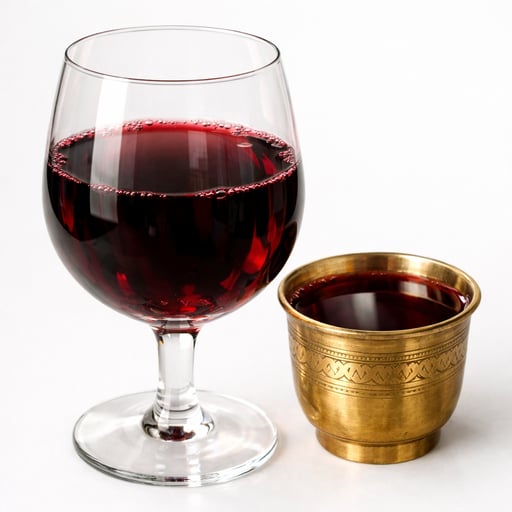
Alcoholic Beverage, wine, table, red, Lemberger
शराब, रेड वाइन, लेम्बरगर
Lemberger red table wine is an alcoholic beverage made from Lemberger grapes, known for its deep red color and fruity taste. It is typically consumed as a drink during meals or social occasions.
Nutrition per 100ml
Nutrient Breakdown
Key Nutrients(3)
% DV = % Daily Value (adult RDA, ICMR 2020). Values per 100ml edible portion.
Use Alcoholic Beverage, wine, table, red, Lemberger in meal plans
17,000+ foods with real-time nutrient tracking, AI generation, and WhatsApp sharing.
Start FreeFree plan · No credit card
Common questions about Alcoholic Beverage, wine, table, red, Lemberger
How many calories are in serving (5 fl oz) of Alcoholic Beverage, wine, table, red, Lemberger?
serving (5 fl oz) (147 ml) of Alcoholic Beverage, wine, table, red, Lemberger has about 118 kcal, based on 80 kcal per 100 ml.
How much protein is in Alcoholic Beverage, wine, table, red, Lemberger?
Alcoholic Beverage, wine, table, red, Lemberger provides about 0.1 g of protein per 100 ml.
What is Lemberger red wine typically served with?
Lemberger red wine is commonly served with red meats, pasta dishes, cheese, or enjoyed alone as a social drink.
Is Lemberger red wine suitable for vegetarians and vegans?
Yes, Lemberger red wine is suitable for vegans and vegetarians as it contains no animal products.
How should Lemberger red wine be stored?
Store it in a cool, dark place, ideally refrigerated after opening to preserve freshness.
About Alcoholic Beverage, wine, table, red, Lemberger
Lemberger is a variety of red table wine, popular for its rich color and balanced flavor profile. It originates from the Lemberger grape, also known as Blaufränkisch, grown principally in Europe and increasingly cultivated elsewhere. This wine is typically enjoyed as a beverage with meals or for social drinking.
- Contains minimal calories primarily from alcohol and residual sugars.
- Almost no protein or fat content.
- Contains trace amounts of minerals like calcium, iron, potassium, and sodium.
- Free from common allergens and dairy, making it suitable for vegan diets.
As an alcoholic beverage, it contributes moderately to dietary energy, with negligible micronutrients. Consumption should be moderate due to alcohol content.
Values per 100ml edible portion.
Nutrition data is for reference only. Values may vary by preparation method, brand, and region. Full disclaimer
Similar foods
Browse all →Alcoholic Beverage, wine, table, red, Merlot
Alcoholic Beverage, wine, table, red, Burgundy
Alcoholic beverage, wine, table, red
Alcoholic Beverage, wine, table, red, Gamay
Alcoholic Beverage, wine, table, red, Syrah
शराब, टेबल वाइन, रेड, सायराह
Alcoholic Beverage, wine, table, red, Mouvedre
Alcoholic Beverage, wine, table, red, Pinot Noir
वाइन, टेबल, रेड, पिनोट नोयर
Alcoholic Beverage, wine, table, red, Claret