


 by Workfile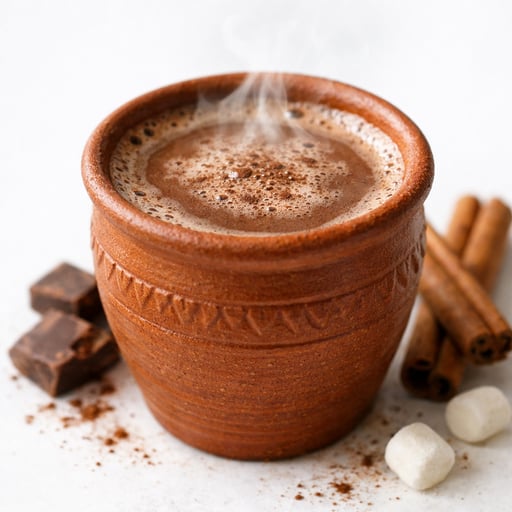
Hot cocoa
हॉट कोको
A warm, sweet chocolate-flavored beverage usually made by mixing cocoa powder, sugar, and milk.
Nutrition per 100ml
Nutrient Breakdown
Key Nutrients(11)
% DV = % Daily Value (adult RDA, ICMR 2020). Values per 100ml edible portion.
Use Hot cocoa in meal plans
17,000+ foods with real-time nutrient tracking, AI generation, and WhatsApp sharing.
Start FreeFree plan · No credit card
Common questions about Hot cocoa
How many calories are in 1 cup of Hot cocoa?
1 cup (191 ml) of Hot cocoa has about 172 kcal, based on 90 kcal per 100 ml.
How much protein is in Hot cocoa?
Hot cocoa provides about 3.4 g of protein per 100 ml.
How much sugar does Hot cocoa contain?
Hot cocoa has about 9 g of total sugars per 100 ml.
Is hot cocoa a vegetarian beverage?
Yes, hot cocoa made with milk is vegetarian as it contains no meat or eggs.
Should hot cocoa be stored in a particular way?
Hot cocoa powder should be kept in a cool, dry place; prepared hot cocoa is best consumed fresh and kept warm or refrigerated if stored.
About Hot cocoa
Hot cocoa is a popular warm beverage made by dissolving cocoa powder and sugar in hot milk or water, practiced widely in India and internationally. It offers a comforting chocolate flavor and a mildly sweet taste, often enjoyed in colder seasons or as a cozy treat.
Nutritionally, hot cocoa provides modest protein and calcium primarily from milk. It contains simple sugars due to added sugar, contributing to its energy content. It has low fat content when prepared with low-fat milk. Vitamins and minerals such as calcium, iron, potassium, and small amounts of vitamin B12 and vitamin A are present depending on the milk used.
This beverage is vegetarian and physically liquid. It's commonly consumed during breakfast, evening snacks, or bedtime. Variations may exist based on sugar level and milk type, affecting calories and nutrient content.
Values per 100ml edible portion.
Nutrition data is for reference only. Values may vary by preparation method, brand, and region. Full disclaimer
Contains data from Indian Nutrient Databank (INDB), University of Edinburgh, licensed under CC BY 4.0, modified for presentation.
Report a data issueSimilar foods
Browse all →Hot chocolate
Milk, chocolate beverage, hot cocoa, homemade
Beverages, Cocoa mix, powder
Beverages, Cocoa mix, powder, prepared with water
Beverages, Cocoa mix, NESTLE, Hot Cocoa Mix Rich Chocolate With Marshmallows
Beverages, rich chocolate, powder
Beverages, Cocoa mix, no sugar added, powder
Cocoa mix, NESTLE, Rich Chocolate Hot Cocoa Mix