


 by Workfile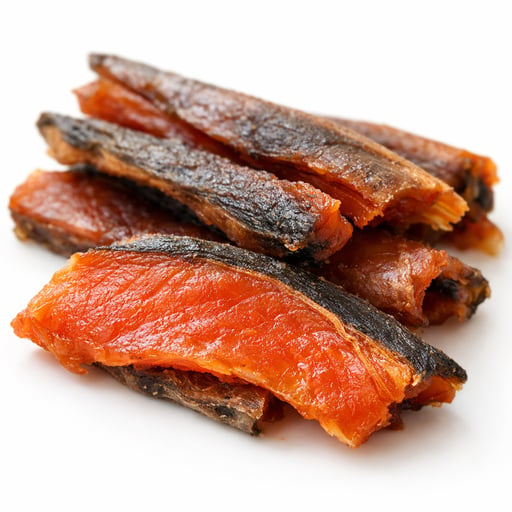
Steelhead trout, dried, flesh (Shoshone Bannock)
स्टीलहेड ट्राउट, सूखा, मांस (शोशोन बैनॉक)
Also known as: स्टीलहेड ट्राउट, सूखा, मांस
Dried flesh of steelhead trout used traditionally by the Shoshone Bannock people, rich in protein and essential minerals.
Nutrition per 100g
Nutrient Breakdown
Key Nutrients(16)
% DV = % Daily Value (adult RDA, ICMR 2020). Values per 100g edible portion.
Use Steelhead trout, dried, flesh (Shoshone Bannock) in meal plans
17,000+ foods with real-time nutrient tracking, AI generation, and WhatsApp sharing.
Start FreeFree plan · No credit card
Common questions about Steelhead trout, dried, flesh (Shoshone Bannock)
How many calories are in 1 small piece of Steelhead trout, dried, flesh (Shoshone Bannock)?
1 small piece (25 g) of Steelhead trout, dried, flesh (Shoshone Bannock) has about 96 kcal, based on 382 kcal per 100 g.
How much protein is in Steelhead trout, dried, flesh (Shoshone Bannock)?
Steelhead trout, dried, flesh (Shoshone Bannock) provides about 77.3 g of protein per 100 g.
How is dried steelhead trout typically used in cooking?
It is consumed as a snack or rehydrated and used to flavor dishes or added to soups and stews.
Is dried steelhead trout suitable for non-vegetarian diets?
Yes, it is a fish product and classified as non-vegetarian.
How should dried steelhead trout be stored?
It is best stored in a cool, dry place, tightly sealed to maintain freshness and prevent moisture absorption.
About Steelhead trout, dried, flesh (Shoshone Bannock)
Steelhead trout dried flesh, also known as Shoshone Bannock dried fish, is a traditional preserved seafood product from North American indigenous cuisines. It is prepared by drying the fish flesh, which concentrates nutrients and provides a protein-dense food source.
This dried fish is high in protein, rich in selenium, and contains significant amounts of sodium and phosphorus, making it a nutrient-dense food suitable for adding concentrated minerals and proteins to meals. It contains no carbohydrates or sugars, but does provide modest quantities of vitamin B12 and vitamin D.
It is typically consumed in small portions as a snack or ingredient in various recipes. As an animal product, it is classified as non-vegetarian and can be part of traditional dietary patterns. Individuals should note its comparatively high sodium content when including it in their diet.
Values per 100g edible portion.
Nutrition data is for reference only. Values may vary by preparation method, brand, and region. Full disclaimer
Similar foods
Browse all →Steelhead trout, boiled, canned (Alaska Native)
Fish, whitefish, dried (Alaska Native)
Fish, salmon, chum, dried (Alaska Native)
Fish, whitefish, mixed species, raw (Alaska Native)
Fish, whitefish, eggs (Alaska Native)
Fish, lingcod, liver (Alaska Native)
Fish, halibut, cooked, with skin (Alaska Native)
Fish, halibut, raw, with skin (Alaska Native)