


 by Workfile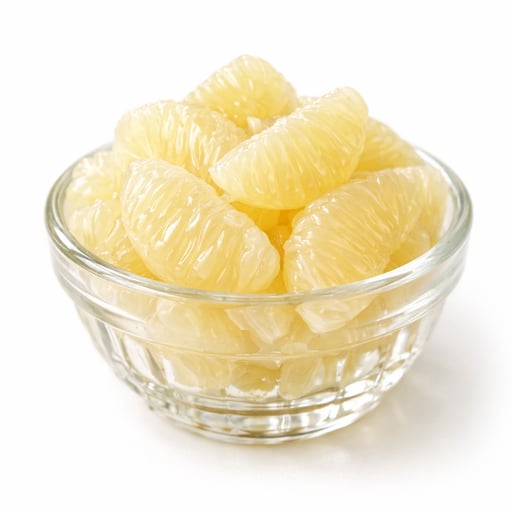
Lemons, raw, without peel
Citrus limon
Also known as: 3q92f 91bede13b
Lemon is a citrus fruit commonly used in cooking and beverages. The edible part is known for its sour taste and is rich in vitamin C.
Nutrition per 100ml
Nutrient Breakdown
Key Nutrients(13)
% DV = % Daily Value (adult RDA, ICMR 2020). Values per 100ml edible portion.
Use Lemons, raw, without peel in meal plans
17,000+ foods with real-time nutrient tracking, AI generation, and WhatsApp sharing.
Start FreeFree plan · No credit card
Common questions about Lemons, raw, without peel
How many calories are in cup, sections of Lemons, raw, without peel?
cup, sections (212 ml) of Lemons, raw, without peel has about 61 kcal, based on 29 kcal per 100 ml.
How much protein is in Lemons, raw, without peel?
Lemons, raw, without peel provides about 1.1 g of protein per 100 ml.
How much sugar does Lemons, raw, without peel contain?
Lemons, raw, without peel has about 2.5 g of total sugars per 100 ml.
How is raw lemon without peel commonly used?
It is commonly used for its juice in cooking, beverages, salad dressings, and as a flavor enhancer.
Is lemon raw without peel suitable for vegan diets?
Yes, raw lemon without peel is completely vegan and free from animal products.
How should raw lemons without peel be stored?
Store fresh lemons in a cool, dry place or in the refrigerator to preserve freshness and prevent spoilage.
About Lemons, raw, without peel
Lemon is a citrus fruit widely used across Indian cuisine for its tangy taste and refreshing aroma. The edible portion consists mostly of juicy pulp and is used fresh in salads, drinks, and as a souring agent in cooking.
This fruit stands out for its significant vitamin C content, providing about 82% of the daily value per 100 grams, making it a key nutrient present in lemons. The fruit is low in calories, fats, and proteins, and offers dietary fiber along with essential minerals such as potassium and calcium.
Lemons are vegan and naturally free from common allergens, making them suitable for a wide range of diets. They are usually consumed raw, providing a distinctive sharp flavor to many dishes and drinks.
Values per 100ml edible portion.
Nutrition data is for reference only. Values may vary by preparation method, brand, and region. Full disclaimer
Similar foods
Browse all →Raw lemon peel
Raw lemon juice
नींबू का रस (कच्चा)
Oranges, raw, with peel
Raw lime juice
Raw limes
Lemons, flesh only, raw, weighed with peel and pips
Lemon, peeled, raw
Raw orange peel