


 by Workfile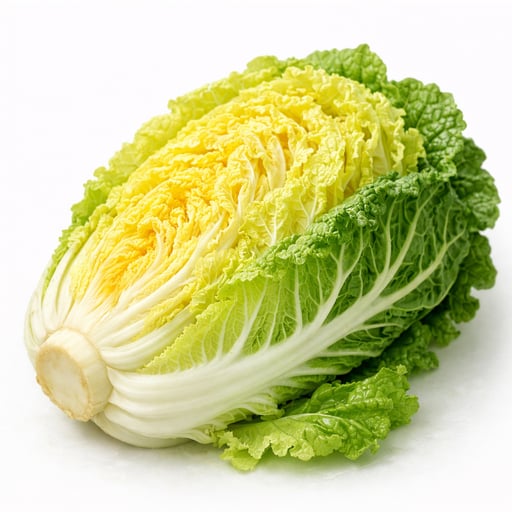
Kimchi cabbage
कैबेज किमची
Kimchi is a traditional Korean fermented cabbage dish known for its tangy, spicy flavor. It contains significant vitamin K, sodium, and folate due to its fermentation process.
Nutrition per 100g
Nutrient Breakdown
Key Nutrients(13)
% DV = % Daily Value (adult RDA, ICMR 2020). Values per 100g edible portion.
Use Kimchi cabbage in meal plans
17,000+ foods with real-time nutrient tracking, AI generation, and WhatsApp sharing.
Start FreeFree plan · No credit card
Common questions about Kimchi cabbage
How many calories are in cup of Kimchi cabbage?
cup (150 g) of Kimchi cabbage has about 23 kcal, based on 15 kcal per 100 g.
How much protein is in Kimchi cabbage?
Kimchi cabbage provides about 1.1 g of protein per 100 g.
How much sugar does Kimchi cabbage contain?
Kimchi cabbage has about 1.1 g of total sugars per 100 g.
Is kimchi suitable for vegetarian or vegan diets?
Kimchi made without fish sauce is suitable for both vegetarian and vegan diets.
How is kimchi commonly used in meals?
Kimchi is usually served as a side dish or condiment to add flavor and spice in meals.
Why does kimchi have high sodium content?
High sodium is due to salt used during fermentation, which preserves the cabbage and develops flavor.
About Kimchi cabbage
Kimchi is a traditional Korean side dish made from fermented cabbage and various spices. It is popular worldwide for its unique spicy and tangy flavor. Typically, napa or regular cabbage is salted and mixed with seasonings like chili powder, garlic, ginger, and fish sauce before fermenting.
- The fermentation process leads to elevated sodium levels, as salt is a key ingredient.
- It provides a good source of vitamin K, crucial for blood clotting.
- Contains significant folate (vitamin B9) important for cellular functions.
- Kimchi is vegan when prepared without fish sauce, commonly enjoyed in various meals as a condiment or salad.
As a fermented vegetable, it brings unique probiotics, although that is beyond the core nutrient claims allowed here. It suits vegan diets and is enjoyed across meal times in Indian fusion and global cuisine contexts.
Values per 100g edible portion.
Nutrition data is for reference only. Values may vary by preparation method, brand, and region. Full disclaimer
Similar foods
Browse all →Cabbage, bok choy, raw
Cabbage, japanese style, fresh, pickled
Cabbage, mustard, salted
Raw cabbage
पत्तागोभी (कच्ची)
Cabbage, napa, cooked
नापा गोभी, पकी हुई
Cabbage, green, raw
Cabbage, savoy, raw
Cabbage, red, raw