


 by Workfile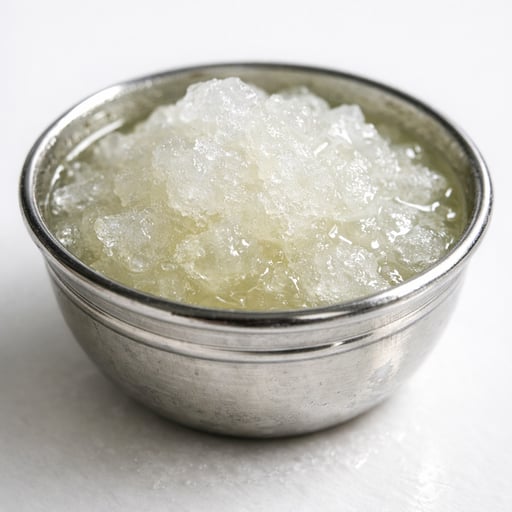
Egg, white, raw, frozen, pasteurized
अंडे की सफेदी (कच्चा, फ्रोजन, पाश्चुरीकृत)
Nutrition per 100ml
Nutrient Breakdown
Key Nutrients(12)
% DV = % Daily Value (adult RDA, ICMR 2020). Values per 100ml edible portion.
Use Egg, white, raw, frozen, pasteurized in meal plans
17,000+ foods with real-time nutrient tracking, AI generation, and WhatsApp sharing.
Start FreeFree plan · No credit card
Common questions about Egg, white, raw, frozen, pasteurized
How many calories are in oz of Egg, white, raw, frozen, pasteurized?
oz (28 ml) of Egg, white, raw, frozen, pasteurized has about 13 kcal, based on 48 kcal per 100 ml.
How much protein is in Egg, white, raw, frozen, pasteurized?
Egg, white, raw, frozen, pasteurized provides about 10.2 g of protein per 100 ml.
How much sugar does Egg, white, raw, frozen, pasteurized contain?
Egg, white, raw, frozen, pasteurized has about 0.3 g of total sugars per 100 ml.
Can egg white be consumed raw?
Yes, egg white can be consumed raw, especially when pasteurized and frozen to reduce microbial risks. It is commonly used in raw preparations and cooking.
What type of diet does egg white fit into?
Egg white is suitable for an egg-containing diet and is low in fat and carbohydrates, making it a protein-rich food with no dairy or gluten.
How should frozen pasteurized egg white be stored?
Keep frozen pasteurized egg white refrigerated or frozen until use. Thaw in refrigerator before consuming or cooking for best quality and safety.
About Egg, white, raw, frozen, pasteurized
Egg white is the clear liquid contained within an egg, surrounding the yolk. This version is raw, frozen, and pasteurized, commonly used in cooking and baking for those avoiding yolk fat and cholesterol.
It is a rich source of high-quality protein and contains significant amounts of riboflavin (Vitamin B2) and selenium, essential for cellular functions. Egg white contains negligible fat and carbohydrates, with no vitamins A, D, B12, or C.
- Contains significant protein, riboflavin, and selenium
- Low in fat and sugars
- Suitable for egg-based but cholesterol-conscious diets
Egg whites are widely used in Indian households in various dishes and baking preparations, especially where a fat-free protein source is desired.
Values per 100ml edible portion.
Nutrition data is for reference only. Values may vary by preparation method, brand, and region. Full disclaimer
Similar foods
Browse all →Egg, whole, raw, frozen, pasteurized
Egg, yolk, raw, frozen, pasteurized

Egg, white, raw, fresh
Egg, whole, raw, frozen, salted, pasteurized
Egg, yolk, raw, frozen, sugared, pasteurized
अंडे की जर्दी, कच्ची, फ्रोजन, मीठी, पाश्चुरीकृत

Egg, yolk, raw, frozen, salted, pasteurized