


 by Workfile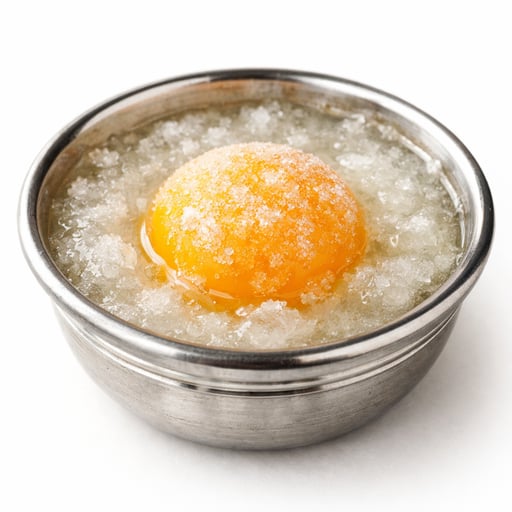
Egg, whole, raw, frozen, salted, pasteurized
Also known as: 07 77 c
Raw whole egg that has been frozen, salted, and pasteurized, commonly used in food processing and cooking where safety and longer shelf life are required.
Nutrition per 100g
Nutrient Breakdown
Key Nutrients(18)
% DV = % Daily Value (adult RDA, ICMR 2020). Values per 100g edible portion.
Use Egg, whole, raw, frozen, salted, pasteurized in meal plans
17,000+ foods with real-time nutrient tracking, AI generation, and WhatsApp sharing.
Start FreeFree plan · No credit card
Common questions about Egg, whole, raw, frozen, salted, pasteurized
How many calories are in oz of Egg, whole, raw, frozen, salted, pasteurized?
oz (28 g) of Egg, whole, raw, frozen, salted, pasteurized has about 39 kcal, based on 138 kcal per 100 g.
How much protein is in Egg, whole, raw, frozen, salted, pasteurized?
Egg, whole, raw, frozen, salted, pasteurized provides about 11 g of protein per 100 g.
How much sugar does Egg, whole, raw, frozen, salted, pasteurized contain?
Egg, whole, raw, frozen, salted, pasteurized has about 0.1 g of total sugars per 100 g.
What are common culinary uses of salted pasteurized eggs?
They are used boiled, fried, or in baking and cooking recipes where pre-salted eggs are preferred for flavor and shelf life.
Is this egg suitable for vegetarians?
It is classified as an 'egg' dietary type, not vegetarian as it contains animal eggs.
How should salted pasteurized eggs be stored?
They should be kept refrigerated under 4b0C and consumed before the expiration date for safety and quality.
About Egg, whole, raw, frozen, salted, pasteurized
Eggs are widely consumed animal products valued for their rich protein and nutrient content. This particular product is a whole egg that has been raw, frozen, salted, and pasteurized to enhance safety and shelf life for use in various culinary applications. It retains most natural nutrients including high-quality protein, vitamins such as B12 and A, and essential minerals like iron and zinc.
- Used in cooking and baking both directly and as an ingredient in processed foods
- Contains sodium due to salting, useful for flavoring
- Not suitable for vegans but is an important source of key nutrients for many diets
- Typically requires cooking before eating to ensure food safety
This form of egg is convenient for commercial kitchens and food manufacturers to maintain consistent quality and safety standards.
Values per 100g edible portion.
Nutrition data is for reference only. Values may vary by preparation method, brand, and region. Full disclaimer
Similar foods
Browse all →Egg, whole, raw, frozen, pasteurized

Egg, yolk, raw, frozen, salted, pasteurized
Egg, yolk, raw, frozen, pasteurized
Egg, yolk, raw, frozen, sugared, pasteurized
अंडे की जर्दी, कच्ची, फ्रोजन, मीठी, पाश्चुरीकृत
Egg, white, raw, frozen, pasteurized
अंडे की सफेदी (कच्चा, फ्रोजन, पाश्चुरीकृत)

Egg, whole, raw, fresh