


 by Workfile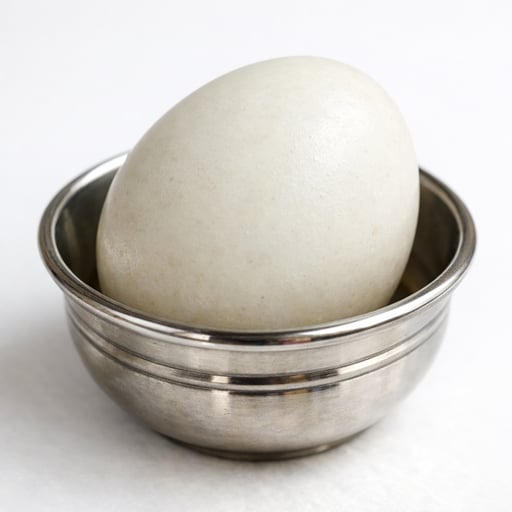
Egg, duck, whole, fresh, raw
Also known as: 21 4c 15 38 2e 3e 28 39 3e 21 40
Whole raw duck egg commonly used in Indian cuisine, larger and richer than chicken eggs with a distinct flavor.
Nutrition per 100g
Nutrient Breakdown
Key Nutrients(18)
% DV = % Daily Value (adult RDA, ICMR 2020). Values per 100g edible portion.
Use Egg, duck, whole, fresh, raw in meal plans
17,000+ foods with real-time nutrient tracking, AI generation, and WhatsApp sharing.
Start FreeFree plan · No credit card
Common questions about Egg, duck, whole, fresh, raw
How many calories are in egg of Egg, duck, whole, fresh, raw?
egg (70 g) of Egg, duck, whole, fresh, raw has about 130 kcal, based on 185 kcal per 100 g.
How much protein is in Egg, duck, whole, fresh, raw?
Egg, duck, whole, fresh, raw provides about 12.8 g of protein per 100 g.
How much sugar does Egg, duck, whole, fresh, raw contain?
Egg, duck, whole, fresh, raw has about 0.9 g of total sugars per 100 g.
What are common culinary uses of duck eggs?
Duck eggs are used in baking, cooking, and can be boiled, fried, or scrambled, often richer in flavor than chicken eggs.
Is a duck egg considered vegetarian or non-vegetarian?
Duck eggs are classified as 'egg' dietary type; they are not vegetarian but are suitable for ovo-vegetarians.
How should raw duck eggs be stored?
Raw duck eggs should be stored refrigerated and consumed before the sell-by date for freshness and safety.
About Egg, duck, whole, fresh, raw
Duck eggs are larger and richer than chicken eggs and are popular in some Indian regions for their distinctive taste and culinary uses. They are often consumed boiled, fried, or incorporated in various dishes where a richer egg flavor is desired.
- Contain about 185 kcal per 100 g mainly from fat and protein.
- Provide notable amounts of protein and vitamin B12.
- Contain essential minerals like iron, calcium, and potassium.
As a natural animal food product, duck eggs are classified as egg dietary type and are not suitable for vegetarians. They contain naturally occurring fat and cholesterol. The low carbohydrate content and presence of essential nutrients make them a nutrient-dense choice within eggs and animal protein foods.
Values per 100g edible portion.
Nutrition data is for reference only. Values may vary by preparation method, brand, and region. Full disclaimer
Similar foods
Browse all →Egg, duck, whole, raw
Egg, whole, raw, fresh
Egg, quail, whole, fresh, raw
Egg, goose, whole, fresh, raw
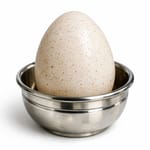
Egg, turkey, whole, fresh, raw
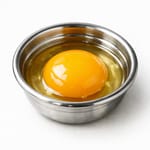
Egg, yolk, raw, fresh
Egg, whole, raw, frozen, pasteurized
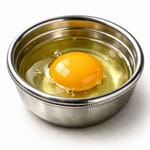
Egg, white, raw, fresh