


 by Workfile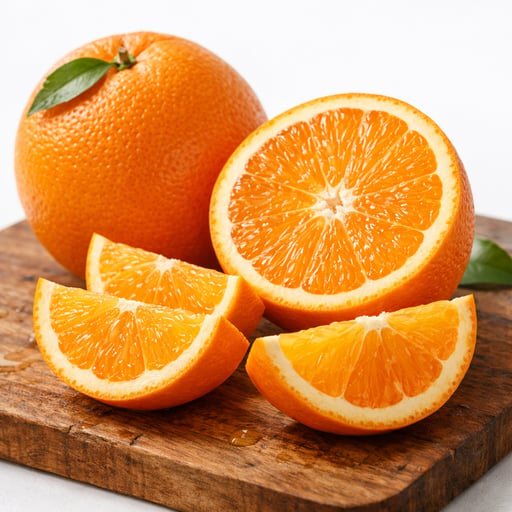
Pulp orange
Santra
Citrus aurantium
Also known as: Komola, Kamala lebu, Kithilai, Sangtar, Soh niamtra, Madhura naranga
Fresh orange pulp is sweet and juicy, making it a popular choice for snacks and juices. It is rich in vitamin C and antioxidants, contributing to overall health.
Nutrition per 100g
Nutrient Breakdown
Key Nutrients(14)
% DV = % Daily Value (adult RDA, ICMR 2020). Values per 100g edible portion.
Use Pulp orange in meal plans
17,000+ foods with real-time nutrient tracking, AI generation, and WhatsApp sharing.
Start FreeFree plan · No credit card
Common questions about Pulp orange
How many calories are in 1 medium fruit of Pulp orange?
1 medium fruit (120 g) of Pulp orange has about 45 kcal, based on 37 kcal per 100 g.
How much protein is in Pulp orange?
Pulp orange provides about 0.7 g of protein per 100 g.
How much sugar does Pulp orange contain?
Pulp orange has about 6.9 g of total sugars per 100 g.
Is orange pulp suitable for a vegan diet?
Yes, orange pulp is vegan and contains no animal products.
How can orange pulp be used in cooking?
Orange pulp is commonly eaten fresh, added to fruit salads, or used to prepare fresh juice and desserts.
How should orange pulp be stored?
Store orange pulp in a cool place or refrigerated to maintain freshness; consume within a few days for best quality.
About Pulp orange
Oranges, known as संतरा in Hindi, are vibrant citrus fruits belonging to the Rutaceae family. They are widely enjoyed for their sweet and tangy flavor and can be eaten fresh, juiced, or used in various culinary dishes.
Nutritionally, oranges are an excellent source of vitamin C, which is vital for immune health and skin health. They also provide a modest amount of dietary fiber, aiding in digestion and promoting a feeling of fullness. The presence of antioxidants in oranges may help combat oxidative stress in the body.
Oranges are commonly consumed as a healthy snack or during breakfast, and they can also be used in salads, desserts, and beverages. Their sweetness makes them a favorite among both children and adults. Suitable for a vegan diet, oranges are perfect for refreshing oneself on a hot day, boosting hydration and nutrient intake.
Values per 100g edible portion.
Nutrition data is for reference only. Values may vary by preparation method, brand, and region. Full disclaimer
Similar foods
Browse all →Pulp tamarind
Imli
Karonda fruit
Balalak, dindimi
Mango, ripe, kesar
Aam
Pumpkin, orange, round
Kaddu
Mango, ripe, neelam
Aam
Pomegranate, maroon seeds
Anar
Pummelo
Chakotra
Banana, ripe, red
Kela