


 by Workfile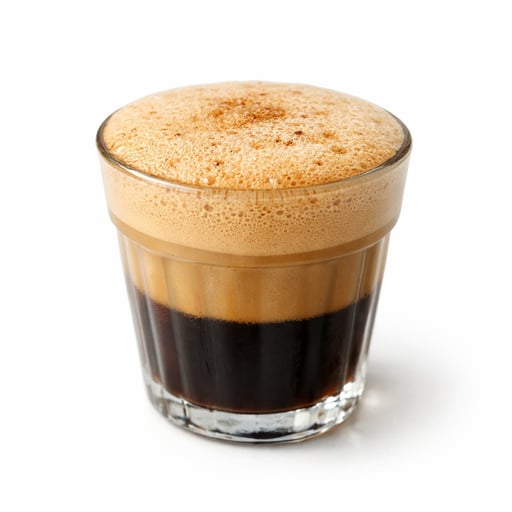
Coffee biscuit
Also known as: Coffee Biscuit
Coffee biscuit is a sweet, crunchy bakery snack flavored with coffee essence, enjoyed as a tea-time treat or quick snack.
Nutrition per 100ml
Nutrient Breakdown
Key Nutrients(18)
% DV = % Daily Value (adult RDA, ICMR 2020). Values per 100ml edible portion.
Use Coffee biscuit in meal plans
17,000+ foods with real-time nutrient tracking, AI generation, and WhatsApp sharing.
Start FreeFree plan · No credit card
Common questions about Coffee biscuit
How many calories are in 1 glass (200ml) of Coffee biscuit?
1 glass (200ml) (200 ml) of Coffee biscuit has about 833 kcal, based on 417 kcal per 100 ml.
How much protein is in Coffee biscuit?
Coffee biscuit provides about 6.9 g of protein per 100 ml.
How much sugar does Coffee biscuit contain?
Coffee biscuit has about 21.7 g of total sugars per 100 ml.
Is coffee biscuit suitable for vegetarians?
Yes, coffee biscuit is generally vegetarian but contains dairy and gluten.
What are common allergens in coffee biscuits?
Common allergens include gluten (wheat flour) and dairy.
How should coffee biscuits be stored?
Store in an airtight container at room temperature to maintain freshness and prevent moisture absorption.
About Coffee biscuit
Coffee biscuits are a popular baked snack combining the rich aroma of coffee with the crisp texture of biscuits. Originating as a confectionery item in bakery shops, they are widely consumed across India during tea time or as a quick snack.
These biscuits provide significant amounts of key nutrients such as phosphorus, copper, vitamin K, manganese, and vitamin A, reflecting the enrichment often used in commercial baked goods. They contain moderate protein and fat with a higher carbohydrate content primarily from sugars and refined flours.
- Often paired with tea or coffee
- Suitable for vegetarian diets
- Contains gluten due to wheat flour
- Should be consumed in moderation due to added sugars and fats
Values per 100ml edible portion.
Nutrition data is for reference only. Values may vary by preparation method, brand, and region. Full disclaimer
Contains data from Indian Nutrient Databank (INDB), University of Edinburgh, licensed under CC BY 4.0, modified for presentation.
Report a data issueSimilar foods
Browse all →Chocolate biscuit
Buttermilk biscuit
Jelly biscuit
Butterfly biscuit
Christmas biscuit
Instant coffee
Orange biscuit
Beverages, coffee, brewed, breakfast blend