

 by Workfile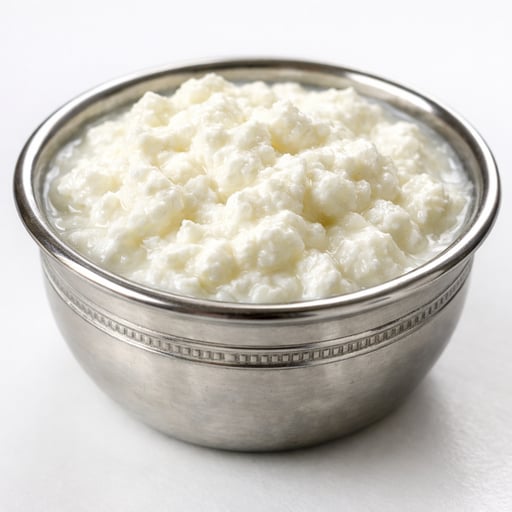
Curd
दही
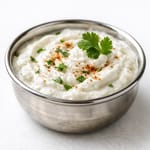
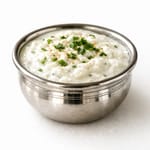
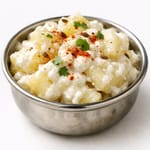
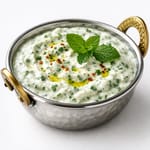
Curd (Dahi) is a fermented milk product commonly consumed in India, known for its creamy texture and slightly tangy taste.
Nutrition per 100g
Nutrient Breakdown
Key Nutrients(12)
% DV = % Daily Value (adult RDA, ICMR 2020). Values per 100g edible portion.
Use Curd in meal plans
17,000+ foods with real-time nutrient tracking, AI generation, and WhatsApp sharing.
Start FreeFree plan · No credit card
Common questions about Curd
How many calories are in 1 katori of Curd?
1 katori (100 g) of Curd has about 98 kcal, based on 98 kcal per 100 g.
How much protein is in Curd?
Curd provides about 3.3 g of protein per 100 g.
How much sugar does Curd contain?
Curd has about 4.5 g of total sugars per 100 g.
How is curd commonly used in Indian meals?
Curd is eaten plain, used in gravies, raitas, and cooling beverages.
Is curd suitable for vegetarians?
Yes, curd is a vegetarian dairy product.
How should curd be stored?
Curd should be refrigerated and consumed within a few days for best freshness and safety.
About Curd
Curd, known as 'दही' in Hindi, is a staple dairy product in Indian cuisine made by fermenting milk with lactic acid bacteria. Its origins trace back thousands of years in the Indian subcontinent where it is commonly made at home by allowing milk to ferment naturally or by adding a starter culture.
Curd has a smooth to thick consistency and a mildly sour taste, making it a refreshing accompaniment to meals or enjoyed on its own. It is commonly eaten with rice, chapatis, or as a cooling side dish with spicy foods. Curd is also versatile in beverages such as lassi or chaas.
Nutritionally, curd provides moderate amounts of protein and fat, with natural sugars derived from lactose. It contains minerals like calcium and potassium, along with trace amounts of vitamins such as vitamin B12 and vitamin A. Being a fermented food, it often contains beneficial live cultures.
Curd is vegetarian and considered an important source of dairy nutrients in Indian diets. Its creamy texture falls under a semi-solid food state.
Values per 100g edible portion.
Nutrition data is for reference only. Values may vary by preparation method, brand, and region. Full disclaimer