

 by Workfile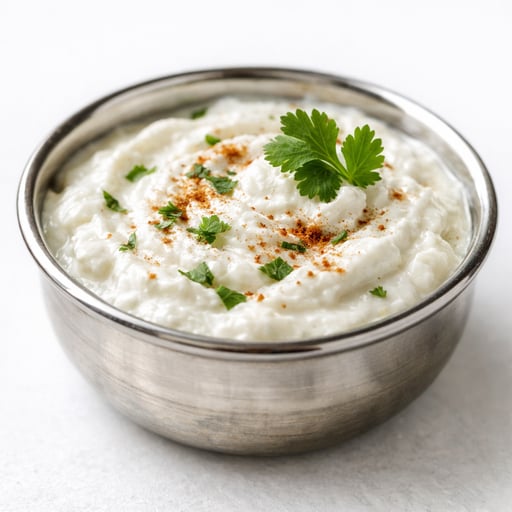
Curd dip
Also known as: Curd Dip -1
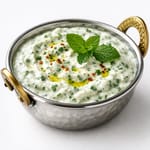
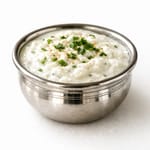
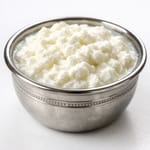
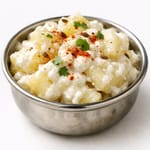
A creamy and flavorful dip made from curd, often flavored with herbs and spices, perfect for snacks and appetizers.
Nutrition per 100g
Nutrient Breakdown
Key Nutrients(15)
% DV = % Daily Value (adult RDA, ICMR 2020). Values per 100g edible portion.
Use Curd dip in meal plans
17,000+ foods with real-time nutrient tracking, AI generation, and WhatsApp sharing.
Start FreeFree plan · No credit card
Common questions about Curd dip
How many calories are in 1 unknown of Curd dip?
1 unknown (100 g) of Curd dip has about 80 kcal, based on 80 kcal per 100 g.
How much protein is in Curd dip?
Curd dip provides about 5 g of protein per 100 g.
How much sugar does Curd dip contain?
Curd dip has about 7.1 g of total sugars per 100 g.
What is the main use of curd dip in meals?
Curd dip is used as a condiment or side dish to cool the palate and complement spicy snacks and main meals.
Is curd dip suitable for vegetarians?
Yes, curd dip is vegetarian as it is made from dairy yogurt without meat or eggs.
How should curd dip be stored to maintain freshness?
Curd dip should be refrigerated and consumed within 1-2 days for best freshness and taste.
About Curd dip
Curd dip, known as दही डिप in Hindi, is a popular accompaniment in Indian cuisine made from fresh yogurt. It is commonly prepared by blending yogurt with spices, herbs, and sometimes vegetables to add flavor and nutrition to various dishes.
This dip is versatile and can be served with snacks like pakoras, chips, or with meals such as rice and roti. It's a favorite at gatherings and parties, offering a refreshing contrast to spicy foods. Notable nutrition highlights include: - Good source of calcium and protein. - Contains probiotics beneficial for digestive health.
Curd dip is suitable for vegetarian diets and can easily be adjusted for spice levels to cater to different tastes, making it a must-have at any Indian meal setting.
Values per 100g edible portion.
Nutrition data is for reference only. Values may vary by preparation method, brand, and region. Full disclaimer
Contains data from Indian Nutrient Databank (INDB), University of Edinburgh, licensed under CC BY 4.0, modified for presentation.
Report a data issue