

 by Workfile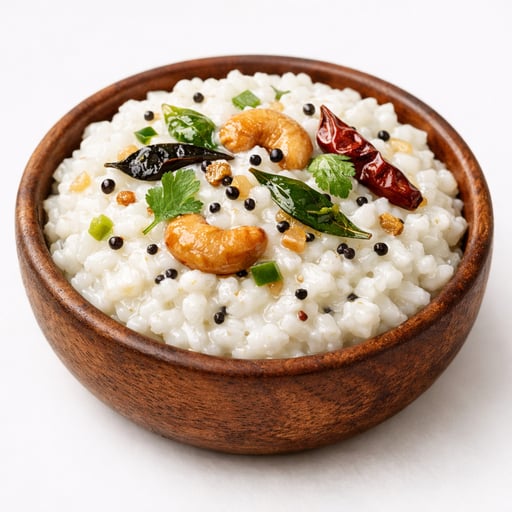
Curd rice
Also known as: Curd Rice, Dahi bhaat/Dahi chawal/ Perugu annam/Daddojanam/Thayir saadam
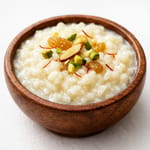
Curd Rice is a comforting dish made from cooked rice mixed with yogurt, often enjoyed as a cooling meal especially during hot weather. It's a staple in South Indian cuisine.
Nutrition per 100g
Nutrient Breakdown
Key Nutrients(14)
% DV = % Daily Value (adult RDA, ICMR 2020). Values per 100g edible portion.
Use Curd rice in meal plans
17,000+ foods with real-time nutrient tracking, AI generation, and WhatsApp sharing.
Start FreeFree plan · No credit card
Common questions about Curd rice
How many calories are in 1 plate of Curd rice?
1 plate (216 g) of Curd rice has about 423 kcal, based on 196 kcal per 100 g.
How much protein is in Curd rice?
Curd rice provides about 5.8 g of protein per 100 g.
How much sugar does Curd rice contain?
Curd rice has about 3.9 g of total sugars per 100 g.
Is curd rice vegetarian?
Yes, curd rice is a vegetarian dish made from cooked rice and yogurt with seasonings, containing no meat or eggs.
What is curd rice typically eaten with?
Curd rice is usually eaten on its own or accompanied by Indian pickles, papad, or fried snacks.
How should curd rice be stored?
Curd rice should be kept refrigerated and consumed within 1-2 days to maintain freshness and prevent spoilage.
About Curd rice
Curd rice, known as दही चावल in Hindi, is a popular South Indian dish made by mixing cooked rice with yogurt and typically flavored with mustard seeds, green chilies, and curry leaves. This dish is not only refreshing but also acts as a cooling agent, making it popular in hot climates.
Nutritionally, curd rice is beneficial as it provides good protein from yogurt while being easily digestible. The calcium from yogurt contributes to bone health, and the combination with rice makes it a comforting meal.
Dietary Notes: - Suitable for vegetarian diets. - Often enjoyed with side dishes like pickles or papad. - A good option for those avoiding heavy meals, especially during summers.
Values per 100g edible portion.
Nutrition data is for reference only. Values may vary by preparation method, brand, and region. Full disclaimer
Contains data from Indian Nutrient Databank (INDB), University of Edinburgh, licensed under CC BY 4.0, modified for presentation.
Report a data issue