

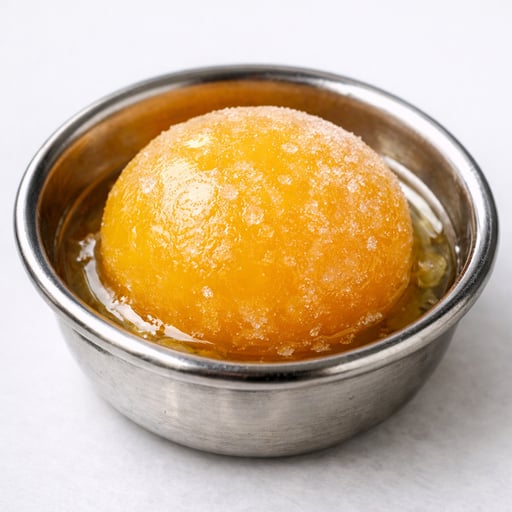
Egg, yolk, raw, frozen, pasteurized
अंडा की जर्दी, कच्चा, जमा हुआ, पास्क्चराइज्ड
Raw pasteurized frozen egg yolk is the yellow part of the egg, separated and frozen for food processing or cooking use.
Nutrition per 100g
Nutrient Breakdown
Key Nutrients(21)
% DV = % Daily Value (adult RDA, ICMR 2020). Values per 100g edible portion.
Use Egg, yolk, raw, frozen, pasteurized in meal plans
17,000+ foods with real-time nutrient tracking, AI generation, and WhatsApp sharing.
Start FreeFree plan · No credit card
Common questions about Egg, yolk, raw, frozen, pasteurized
How many calories are in oz of Egg, yolk, raw, frozen, pasteurized?
oz (28 g) of Egg, yolk, raw, frozen, pasteurized has about 84 kcal, based on 296 kcal per 100 g.
How much protein is in Egg, yolk, raw, frozen, pasteurized?
Egg, yolk, raw, frozen, pasteurized provides about 15.5 g of protein per 100 g.
How much sugar does Egg, yolk, raw, frozen, pasteurized contain?
Egg, yolk, raw, frozen, pasteurized has about 0.2 g of total sugars per 100 g.
How is raw frozen pasteurized egg yolk commonly used?
It is used in cooking and baking to add richness and texture, often in sauces, custards, and baked goods.
What dietary classification does egg yolk have?
It is classified as 'egg', containing eggs but no meat.
How should raw frozen pasteurized egg yolk be stored?
It should be kept refrigerated or frozen to preserve freshness and ensure safety.
About Egg, yolk, raw, frozen, pasteurized
Raw egg yolk, frozen and pasteurized, is commonly used in food manufacturing and gourmet cooking to provide rich texture and flavor. It is separated from the egg white and treated for safety, retaining most nutrients in a convenient frozen form.
- The yolk is known for its creamy consistency and distinct yellow color.
- Nutritionally, it contributes essential fats, proteins, and unique micronutrients such as choline and vitamin B12.
- As an animal-derived product, it is classified as an egg food item and not suitable for vegans.
- It is typically used in sauces, dressings, baked goods, and custards, often requiring cooking for safe consumption.
Values per 100g edible portion.
Nutrition data is for reference only. Values may vary by preparation method, brand, and region. Full disclaimer
Similar foods
Browse all →
Egg, yolk, raw, frozen, sugared, pasteurized
अंडे की जर्दी, कच्ची, फ्रोजन, मीठी, पाश्चुरीकृत
Egg, yolk, raw, frozen, salted, pasteurized
Egg, whole, raw, frozen, pasteurized
Egg, white, raw, frozen, pasteurized
अंडे की सफेदी (कच्चा, फ्रोजन, पाश्चुरीकृत)
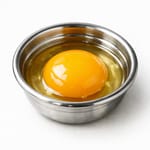
Egg, yolk, raw, fresh
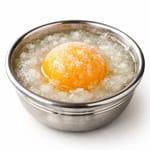
Egg, whole, raw, frozen, salted, pasteurized