


 by Workfile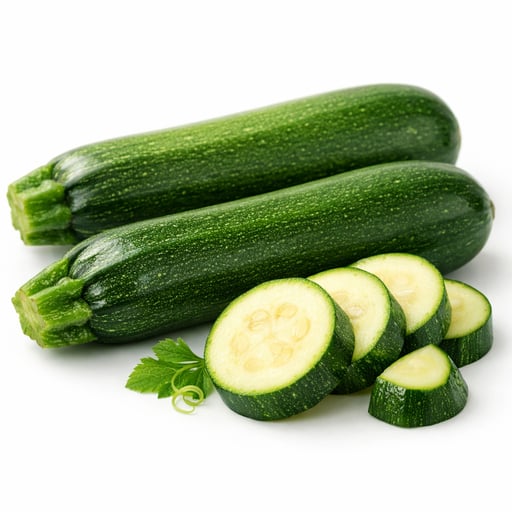
Green zucchini
Sabed kaddu
Cucurbita pepo
Also known as: Dhudul, Courgette, Summer squash, Dilpasand, Kaashiral, Kashi bhopla, Golu phubi kakuri
Green zucchini is a mild-flavored summer squash commonly used in Indian and international cuisines. It is eaten raw or cooked, often added to stir-fries, sauces, and curries.
Nutrition per 100g
Nutrient Breakdown
Key Nutrients(15)
% DV = % Daily Value (adult RDA, ICMR 2020). Values per 100g edible portion.
Use Green zucchini in meal plans
17,000+ foods with real-time nutrient tracking, AI generation, and WhatsApp sharing.
Start FreeFree plan · No credit card
Common questions about Green zucchini
How many calories are in 1 katori cooked sabzi of Green zucchini?
1 katori cooked sabzi (150 g) of Green zucchini has about 30 kcal, based on 20 kcal per 100 g.
How much protein is in Green zucchini?
Green zucchini provides about 1.1 g of protein per 100 g.
How much sugar does Green zucchini contain?
Green zucchini has about 0.1 g of total sugars per 100 g.
How is zucchini typically used in Indian cooking?
Zucchini is used in stir-fries, stuffed vegetable dishes, curries, and sometimes eaten raw in salads.
Is zucchini suitable for vegan and vegetarian diets?
Yes, zucchini is a plant-based, vegan food suitable for both vegan and vegetarian diets.
What is the best way to store zucchini?
Store zucchini in the refrigerator in a perforated plastic bag for up to 4-5 days for best freshness.
About Green zucchini
Green zucchini, also known as courgette, is a summer squash native to the Americas but widely cultivated and enjoyed globally, including India. It features a tender skin and soft flesh with a mild, slightly sweet flavor that absorbs spices and seasonings well. Zucchini can be consumed raw in salads or cooked in various dishes such as stir-fries, soups, and vegetable curries.
Nutritionally, zucchini provides significant amounts of Vitamin K, Vitamin E, and Vitamin C, contributing important antioxidants and nutrients. It is low in calories and fat while offering a modest amount of dietary fiber, potassium, and some B vitamins like folate. Its versatility and nutrient content make it a valuable addition to vegan and vegetarian diets.
- Typically eaten raw or cooked, often sliced, chopped, or grated
- Rich in Vitamin K (75% DV), Vitamin E (52% DV), and Vitamin C (24% DV) per 100 grams
- Suitable for a wide range of meals from early morning to dinner
- Free from common allergens and classified as a vegan food
Values per 100g edible portion.
Nutrition data is for reference only. Values may vary by preparation method, brand, and region. Full disclaimer
Similar foods
Browse all →Yellow zucchini
Sabed kaddu
Cucumber, green, short
Kheera, Kachumbar
Cucumber, green, elongate
Kheera, Kachumbar
Squash, summer, green, zucchini, includes skin, raw
Snake gourd, long, pale green
Chachinda
Pumpkin, green, cylindrical
Kaddu
Snake gourd, long, dark green
Chachinda
Short snake gourd
Chachinda