


 by Workfile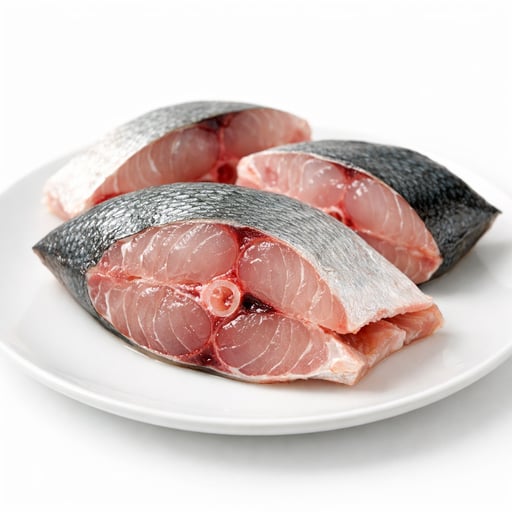
Kulam paarai
Carangoides fulvoguttatus
Also known as: Yellowspotted trevally, Yellowspotted kingfish, Goldspotted trevally, Tarrum, Large inshore marine fish, [Place of collection: Chennai]
Kulam Paarai is a traditional millet variety used in South Indian cuisine, appreciated for its nutty flavor and rich nutrient content. It is cooked like other millets and can be used in porridges, upma, or as a rice substitute.
Nutrition per 100g
Nutrient Breakdown
Key Nutrients(14)
% DV = % Daily Value (adult RDA, ICMR 2020). Values per 100g edible portion.
Use Kulam paarai in meal plans
17,000+ foods with real-time nutrient tracking, AI generation, and WhatsApp sharing.
Start FreeFree plan · No credit card
Common questions about Kulam paarai
How many calories are in 1 piece fish (~80g) of Kulam paarai?
1 piece fish (~80g) (80 g) of Kulam paarai has about 96 kcal, based on 120 kcal per 100 g.
How much protein is in Kulam paarai?
Kulam paarai provides about 21.6 g of protein per 100 g.
How is Kulam Paarai typically cooked and eaten?
It is boiled or pressure cooked and served as a staple grain, similar to rice or other millets, often prepared as porridge, upma, or mixed with vegetables and spices.
Is Kulam Paarai suitable for vegans?
Yes, Kulam Paarai is a plant-based food and suitable for vegan diets.
How should Kulam Paarai be stored?
Store Kulam Paarai in a cool, dry place in an airtight container to maintain freshness and prevent spoilage.
About Kulam paarai
Kulam Paarai is a lesser-known millet cultivated in parts of South India, valued for its robust nutritional profile and earthy taste. It is usually prepared by boiling or pressure cooking and incorporated in various dishes such as upma, pongal, or mixed with lentils.
This millet is rich in Vitamin B6 and Biotin, providing exceptionally high percentages of the daily value, alongside notable amounts of chromium and selenium, which contribute to trace mineral intake. It also provides a good source of protein and phosphorus, making it a wholesome option for plant-based diets.
Being a gluten-free cereal, Kulam Paarai is suitable for vegan and gluten-intolerant individuals. Its fiber content supports digestive health, and it fits well into a variety of traditional Indian meals, especially lunch and dinner. Culinary versatility and nutrient density distinguish Kulam Paarai as a valuable food grain in Indian diets.
Values per 100g edible portion.
Nutrition data is for reference only. Values may vary by preparation method, brand, and region. Full disclaimer
Similar foods
Browse all →
Paarai
Sankata paarai
Pulli paarai
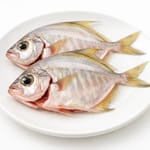
Kannadi paarai
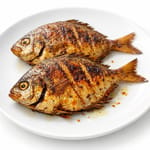
Parava
Kadali
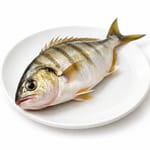
Kiriyan
Tarlava