


 by Workfile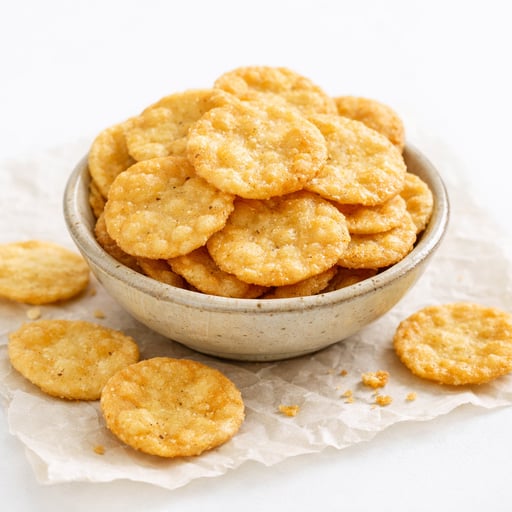
Papdi
पापड़ी
Papdi is a popular Indian fried wheat flour snack often served with chaat or eaten as a crunchy snack. It is high in Vitamin E due to its oil content.
Nutrition per 100g
Nutrient Breakdown
Key Nutrients(14)
% DV = % Daily Value (adult RDA, ICMR 2020). Values per 100g edible portion.
Use Papdi in meal plans
17,000+ foods with real-time nutrient tracking, AI generation, and WhatsApp sharing.
Start FreeFree plan · No credit card
Common questions about Papdi
How many calories are in 1 plate of Papdi?
1 plate (174 g) of Papdi has about 1234 kcal, based on 709 kcal per 100 g.
How much protein is in Papdi?
Papdi provides about 1.8 g of protein per 100 g.
How much sugar does Papdi contain?
Papdi has about 0.3 g of total sugars per 100 g.
How is papdi typically used in Indian cuisine?
Papdi is commonly used as a base in chaat dishes or eaten as a crunchy snack on its own.
Is papdi a vegetarian food?
Yes, papdi is vegetarian as it is made from wheat flour and fried in vegetable oil.
How should papdi be stored to maintain freshness?
Papdi should be stored in an airtight container in a cool, dry place to keep it crisp and prevent it from becoming stale.
About Papdi
Papdi is a traditional Indian snack made from a dough of refined wheat flour (maida), which is rolled into thin discs and deep-fried until crisp. It is a common ingredient in chaats, providing a crunchy texture that contrasts with tangy and spicy accompaniments.
- The snack is an energy-dense food, providing significant calories mainly from fats and carbohydrates.
- Papdi contains a noticeable amount of dietary fiber and some protein from wheat.
- Due to the frying oil used, it is rich in Vitamin E, an antioxidant vitamin, as highlighted by its very high % Daily Value.
- It contains moderate sodium levels commonly due to seasoning and frying.
Papdi is vegetarian and usually free from common allergens if prepared in a dedicated facility, but commercial varieties may vary. It is best consumed fresh for optimal texture and flavor.
Values per 100g edible portion.
Nutrition data is for reference only. Values may vary by preparation method, brand, and region. Full disclaimer
Contains data from Indian Nutrient Databank (INDB), University of Edinburgh, licensed under CC BY 4.0, modified for presentation.
Report a data issueSimilar foods
Browse all →
Dhokla
ढोकला
Mathri
मठरी
Paneer pakora/pakoda
Khakhra
Gujarati handvo
गुजराती हैंडवो
Dahi vadas/Dahi bhalla
Instant dhokla
Khakhra chaat