


 by Workfile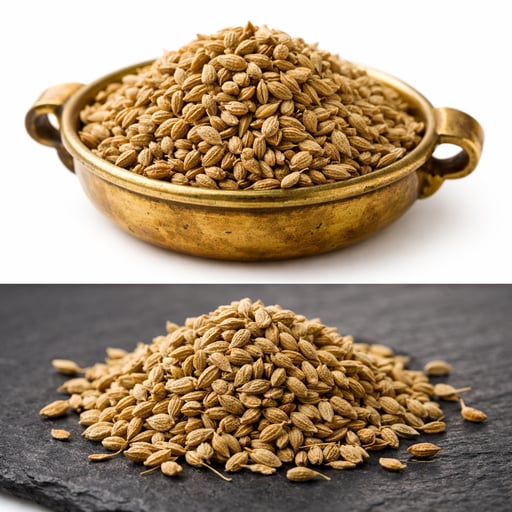
Spices, anise seed
सौंफ
Pimpinella anisum
Anise seed is a commonly used spice in Indian cooking known for its sweet, licorice-like flavor and aroma.
Nutrition per 100g
Nutrient Breakdown
Key Nutrients(20)
% DV = % Daily Value (adult RDA, ICMR 2020). Values per 100g edible portion.
Use Spices, anise seed in meal plans
17,000+ foods with real-time nutrient tracking, AI generation, and WhatsApp sharing.
Start FreeFree plan · No credit card
Common questions about Spices, anise seed
How many calories are in tbsp, whole of Spices, anise seed?
tbsp, whole (7 g) of Spices, anise seed has about 23 kcal, based on 337 kcal per 100 g.
How much protein is in Spices, anise seed?
Spices, anise seed provides about 17.6 g of protein per 100 g.
How is anise seed commonly used in Indian cuisine?
Anise seed is used as a spice for flavoring dishes, desserts, and tea, often added whole or ground to impart a sweet, licorice-like aroma.
Is anise seed suitable for vegan diets?
Yes, anise seed is completely plant-based and suitable for vegan diets.
How should anise seed be stored to retain freshness?
Store anise seed in an airtight container in a cool, dry place away from direct sunlight to maintain its flavor and quality.
About Spices, anise seed
Anise seed (Saunf) is a spice derived from the fruit of the Pimpinella anisum plant and is widely used in Indian culinary preparations for its distinctive sweet and aromatic flavor.
- It is frequently used whole or ground in spice blends, desserts, and traditional medicines.
- This spice is known for being particularly rich in iron, calcium, and fiber, and contains significant amounts of copper, manganese, phosphorus, magnesium, and zinc.
- Anise seed is vegan, gluten-free, and typically consumed in small quantities to add flavor.
While it does not contain vitamin A, C, B12, or D, its mineral richness makes it a valuable dietary addition when used appropriately in cooking.
Values per 100g edible portion.
Nutrition data is for reference only. Values may vary by preparation method, brand, and region. Full disclaimer
Similar foods
Browse all →Spices, cumin seed
Spices, fennel seed
Spices, mustard seed, ground
Spices, dill seed
Spices, coriander seed
Spices, celery seed
Spices, caraway seed
Saffron spices