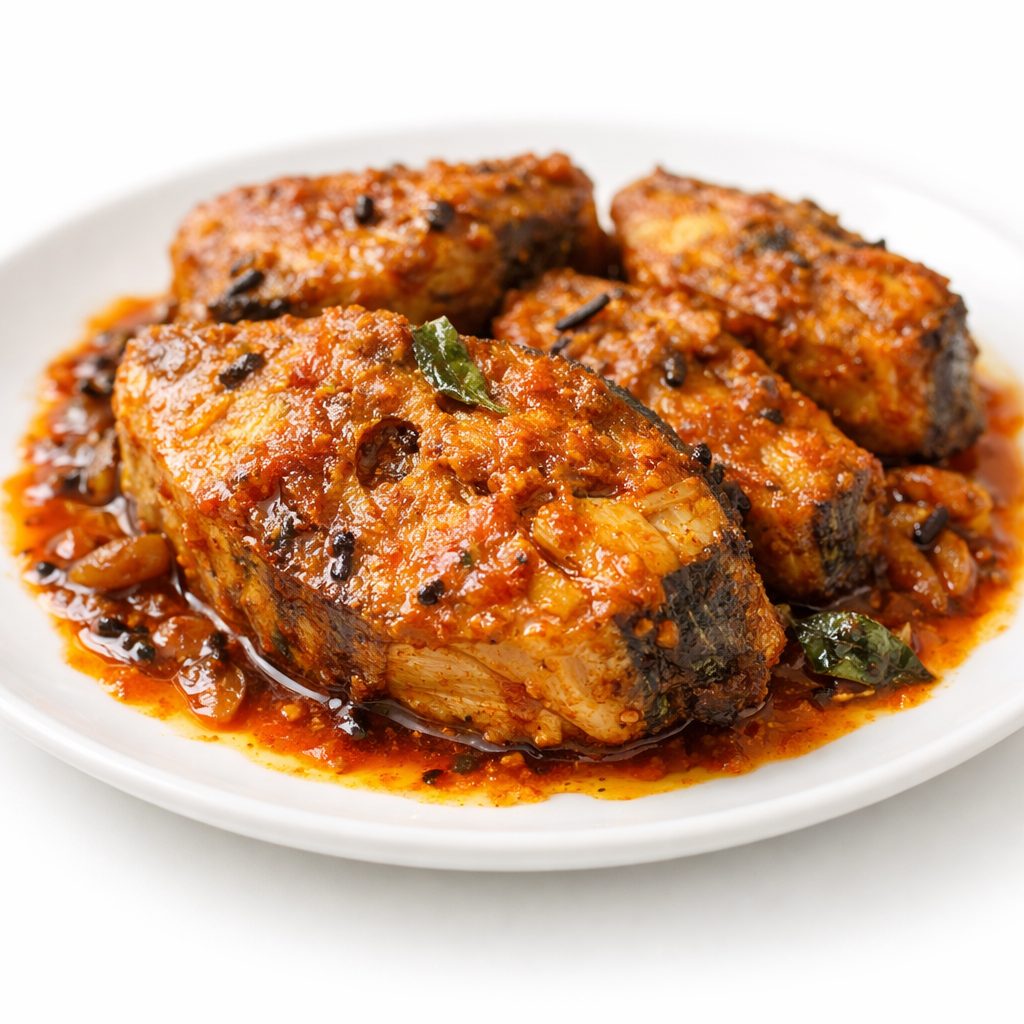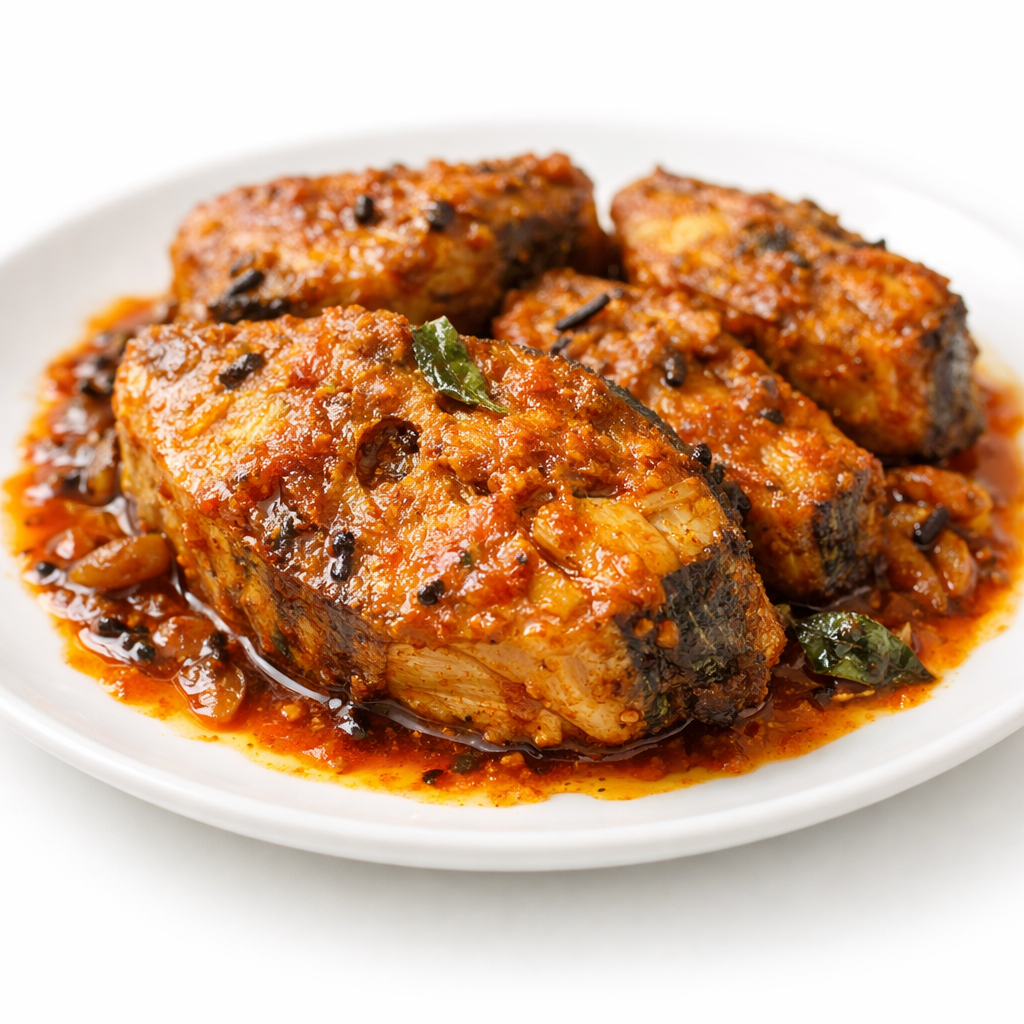
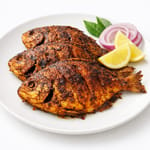
Parastromateus niger
Also known as: Black pomfret, Brown Pomfret, Pomfret, Halwa, Adadio, Thondrotte, Halwa, Karuvolli, Karauthakoli, Avoli, Vellavoli, Vellaivaval, Vavval, Karuvaval
Aluva is a tuber commonly consumed in some Indian regions. It is prepared by cooking and is known for its moderate carbohydrate content and unique nutritional profile rich in certain vitamins and minerals.
% DV = % Daily Value (adult RDA, ICMR 2020). Values per 100g edible portion.
Aluva is a starchy tuber widely eaten in parts of India, often boiled or cooked as a vegetable. It has a firm texture and mildly sweet flavor, making it a common accompaniment in meals.
This tuber is notable for its exceptionally high vitamin B6 and biotin content, along with significant levels of selenium, protein, chromium, and phosphorus, which makes it nutritionally distinct among root vegetables.
Aluva can feature in main meals such as lunch and dinner and is valued for its nutritional density and distinctive taste profile.
9,000+ Indian foods with real-time nutrient tracking, AI generation, and WhatsApp sharing.
Start FreeFree plan · No credit card
Values per 100g edible portion.
Nutrition data is for reference only. Values may vary by preparation method, brand, and region. Full disclaimer
Black pomfret
Phopat
White pomfret
Allathi
Kalava
Parava
Milk fish
Pambada