Advertisement
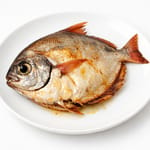
Milk fish
Illustration

Milk fish

Chanos chanos

Also known as: Milkfish, Milk fish, White Mullet, Humeen, Hoomeenu, Hoo meenu, Poomeen, Pal kendai, Palmeen, Tulu candul, Thullu, Palai meen, Pallabontha, Polah bontah, [Place of collection: Mandapam]

Milk fish is a popular edible fish known for its firm white flesh and mild flavor, commonly prepared cooked in various Indian and Southeast Asian cuisines. It provides significant protein along with exceptionally high levels of vitamin B6 and biotin.

Non-VegetarianLow calorie densityNOVA 1· Unprocessed
106
kcal
23.7
Protein
1.1
Fat
per 100g
High in vitamin B6High in biotinGood source of protein
Marine Fish·Lunch, Dinner
Serving Size= 100g

Nutrition per 100g

Protein24g(91%)
Carbs0.00g(0%)
Fat1.1g(9%)
Advertisement
Advertisement

Use Milk fish in meal plans

17,000+ foods with real-time nutrient tracking, AI generation, and WhatsApp sharing.

Start Free

Free plan · No credit card

Common questions about Milk fish

How many calories are in 1 piece fish (~80g) of Milk fish?

1 piece fish (~80g) (80 g) of Milk fish has about 85 kcal, based on 106 kcal per 100 g.

How much protein is in Milk fish?

Milk fish provides about 23.7 g of protein per 100 g.

What are common ways to prepare milk fish?

Milk fish is commonly steamed, fried, or cooked in curries in Indian and Southeast Asian cuisine.

Is milk fish suitable for vegetarian diets?

No, milk fish is a non-vegetarian seafood item and is not suitable for vegetarian or vegan diets.

How should milk fish be stored?

Milk fish should be stored refrigerated or frozen to maintain freshness before cooking.

About Milk fish

Milk fish (Chanos chanos), known regionally as bangus, is a widely consumed fish in Indian coastal and Southeast Asian cuisines. It is typically cooked by steaming, frying, or in curries, prized for its firm texture and mild taste.

This fish is high in vitamin B6 and biotin, providing more than 50 and 37 times the daily value respectively per 100g edible portion. It also contains significant protein (about 13g per 100g cooked) and key minerals such as phosphorus, copper, and selenium. These nutrients contribute to its status as a nutritious fish option.

Milk fish is non-vegetarian and considered minimally processed when cooked. It contains no carbohydrates or sugars and is naturally low in sodium. This fish is suitable for lunch and dinner meals and should be stored refrigerated or frozen to preserve freshness.

Advertisement
SourceIFCT 2017

Values per 100g edible portion.

Nutrition data is for reference only. Values may vary by preparation method, brand, and region. Full disclaimer

Report a data issue
Advertisement
Back to Food Database