


 by Workfile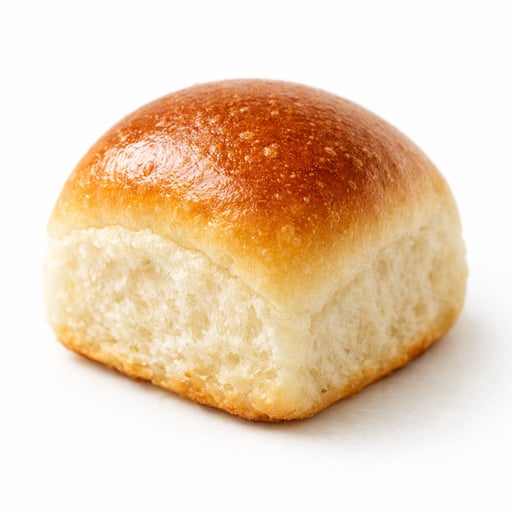
Bread roll
ब्रेड रोल
A soft, round bread roll commonly enjoyed as a snack or part of a meal in Indian households.
Nutrition per 100g
Nutrient Breakdown
Key Nutrients(14)
% DV = % Daily Value (adult RDA, ICMR 2020). Values per 100g edible portion.
Use Bread roll in meal plans
17,000+ foods with real-time nutrient tracking, AI generation, and WhatsApp sharing.
Start FreeFree plan · No credit card
Common questions about Bread roll
How many calories are in 1 bread roll of Bread roll?
1 bread roll (121 g) of Bread roll has about 527 kcal, based on 435 kcal per 100 g.
How much protein is in Bread roll?
Bread roll provides about 2.9 g of protein per 100 g.
How much sugar does Bread roll contain?
Bread roll has about 0.9 g of total sugars per 100 g.
How is a bread roll typically used in meals?
Bread rolls are commonly eaten as a snack, breakfast item, or used to make sandwiches in Indian cuisine.
Is bread roll suitable for vegetarians and vegans?
Bread rolls are suitable for vegetarians but may not be vegan if made with milk or dairy ingredients.
What allergens does bread roll contain?
Bread rolls contain gluten as they are made from wheat flour.
About Bread roll
Bread rolls are soft, round breads that can be enjoyed on their own or as part of various dishes like burgers or sandwiches. Typically made from refined flour, they are a staple in many Indian households and often found at bakeries.
They are moderately rich in carbohydrates, making them an ideal choice for providing energy. However, their sodium content can be significant, so individuals with dietary restrictions related to hypertension should monitor their intake. Bread rolls can be a delightful addition to meals, suitable for breakfast, lunch, or evening snacks.
- Versatile use: Can be eaten plain, with butter, or as part of a sandwich.
- Suitable for various meals: Commonly consumed during breakfast, as snacks, or even with dinner depending on the cuisine.
Values per 100g edible portion.
Nutrition data is for reference only. Values may vary by preparation method, brand, and region. Full disclaimer
Contains data from Indian Nutrient Databank (INDB), University of Edinburgh, licensed under CC BY 4.0, modified for presentation.
Report a data issueSimilar foods
Browse all →
Naan
नान
Makki ki roti
मकई की रोटी
Bread, chapati or roti, plain, commercially prepared
रोटी
Bread sauce
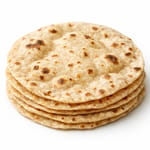
Chapati/Roti
Rye bread
Bread pakora/pakoda
Wheat bread