


 by Workfile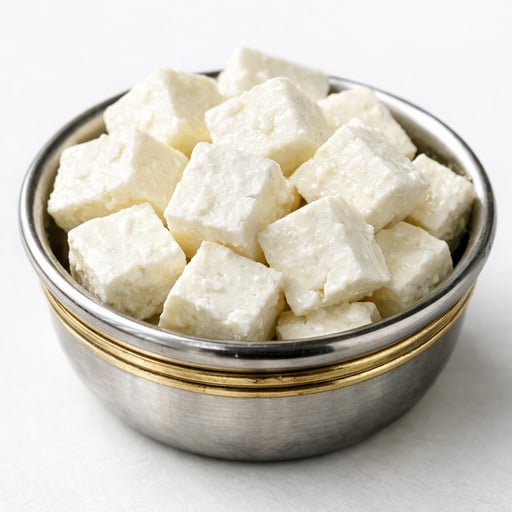
Feta cheese
फेटा पनीर
Feta cheese is a popular Greek brined white cheese made from sheep's milk or a mixture of sheep and goat milk, known for its crumbly texture and tangy flavour.
Nutrition per 100g
Nutrient Breakdown
Key Nutrients(17)
% DV = % Daily Value (adult RDA, ICMR 2020). Values per 100g edible portion.
Use Feta cheese in meal plans
17,000+ foods with real-time nutrient tracking, AI generation, and WhatsApp sharing.
Start FreeFree plan · No credit card
Common questions about Feta cheese
How many calories are in cup, crumbled of Feta cheese?
cup, crumbled (150 g) of Feta cheese has about 398 kcal, based on 265 kcal per 100 g.
How much protein is in Feta cheese?
Feta cheese provides about 14.2 g of protein per 100 g.
What are common culinary uses of feta cheese?
Feta cheese is commonly used in salads, pastries, sandwiches, and Mediterranean dishes for its tangy flavor and crumbly texture.
Is feta cheese suitable for vegetarians?
Yes, feta cheese is a vegetarian product made from sheep and goat milk but is not vegan due to animal milk content.
How should feta cheese be stored to maintain freshness?
Feta cheese should be stored refrigerated, preferably submerged in its brine or sealed airtight to retain moisture and prevent spoilage.
About Feta cheese
Feta cheese originated in Greece and is widely used in Mediterranean cuisine. It is traditionally made from sheep's milk or a combination of sheep and goat milk, and is aged in brine which gives it a salty, tangy flavor. Commonly used in salads, pastries, and as a table cheese, feta adds a distinctive sharpness to dishes.
Nutritionally, feta cheese is a solid source of protein and calcium. It contains moderate fat content predominantly from its dairy base, and is high in sodium due to the brining process. Vitamins include vitamin B12 and vitamin A in modest amounts, with negligible vitamin C. It is a vegetarian product but not vegan due to its dairy origin.
- Popular in salads like Greek salad
- Used in baking and cooking for added flavour
- High in sodium, which is important to consider for those managing salt intake
Feta's crumbly texture and unique taste make it a versatile ingredient across many recipes.
Values per 100g edible portion.
Nutrition data is for reference only. Values may vary by preparation method, brand, and region. Full disclaimer
Similar foods
Browse all →Cheese, feta, whole milk, crumbled
Brie cheese
Cheddar cheese
Cream cheese
Camembert cheese
Fontina cheese
Blue cheese
Gouda cheese