


 by Workfile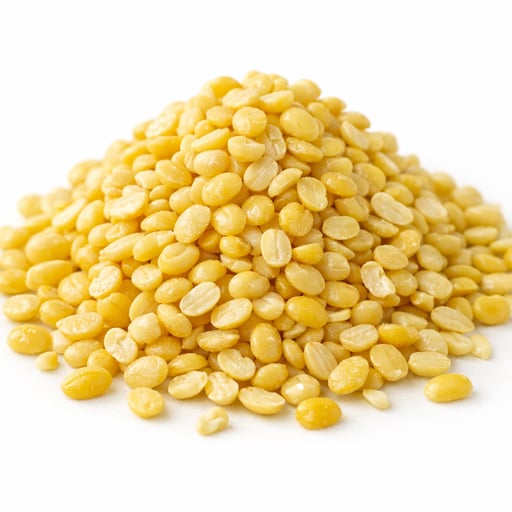
Dal moong
Also known as: DAL MOONG
Dal Moong is a popular Indian lentil dish known for its rich protein content and is often enjoyed with rice or roti during meals.
Nutrition per 100g
Nutrient Breakdown
Key Nutrients(14)
% DV = % Daily Value (adult RDA, ICMR 2020). Values per 100g edible portion.
Use Dal moong in meal plans
17,000+ foods with real-time nutrient tracking, AI generation, and WhatsApp sharing.
Start FreeFree plan · No credit card
Common questions about Dal moong
How many calories are in 1 unknown of Dal moong?
1 unknown (100 g) of Dal moong has about 44 kcal, based on 44 kcal per 100 g.
How much protein is in Dal moong?
Dal moong provides about 2.2 g of protein per 100 g.
How much sugar does Dal moong contain?
Dal moong has about 0.1 g of total sugars per 100 g.
Is Dal Moong suitable for a vegan diet?
Yes, Dal Moong is a vegan-friendly dish made from plant-based moong lentils with no animal products.
What are the common culinary uses of Dal Moong?
Dal Moong is commonly cooked as a soup or stew, served with rice or roti as a staple protein source in Indian meals.
How should Dal Moong be stored?
Cooked Dal Moong should be refrigerated and consumed within 1-2 days to maintain freshness and safety.
About Dal moong
Dal Moong, or green gram dal, is a staple in Indian cuisine known for its rich taste and nutritional profile. It's often cooked with spices and served with rice or roti. This vegetarian dish is an excellent source of protein and dietary fiber, making it a favorite among health-conscious individuals. Served commonly in various meals, it provides essential nutrients such as folate and potassium.
Typically enjoyed in lunch or dinner, Dal Moong is not only tasty but also very versatile, fitting well in a variety of diets. Being low in fat and sodium, it’s particularly beneficial for those monitoring their heart health. It's also a good option for vegetarians looking to boost their intake of vital nutrients, while its fiber content makes it ideal for digestion.
Values per 100g edible portion.
Nutrition data is for reference only. Values may vary by preparation method, brand, and region. Full disclaimer
Contains data from Indian Nutrient Databank (INDB), University of Edinburgh, licensed under CC BY 4.0, modified for presentation.
Report a data issueSimilar foods
Browse all →Whole moong
Moong dal with vadi
Moong dal kheer
Moong dal mixture
Moong dal halwa
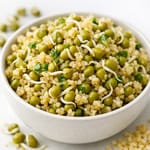
Sprouted moong daliya
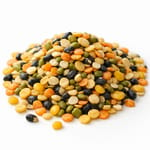
Mixed dal
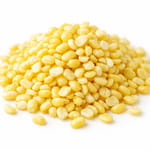
Washed moong dal