


 by Workfile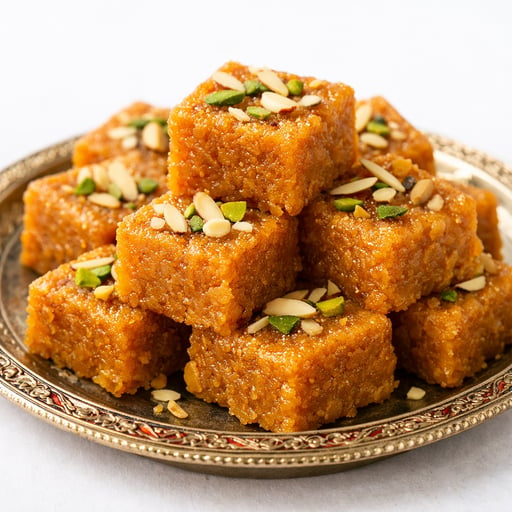
Gram flour halwa
Also known as: Besan halwa
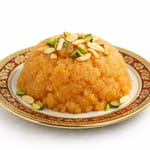
Gram Flour Halwa is a traditional Indian sweet dessert made by roasting gram flour in ghee and cooking it with sugar and milk to a rich, dense halwa. It is commonly served during festivals and special occasions.
Nutrition per 100g
Nutrient Breakdown
Key Nutrients(14)
% DV = % Daily Value (adult RDA, ICMR 2020). Values per 100g edible portion.
Use Gram flour halwa in meal plans
17,000+ foods with real-time nutrient tracking, AI generation, and WhatsApp sharing.
Start FreeFree plan · No credit card
Common questions about Gram flour halwa
How many calories are in 1 piece of Gram flour halwa?
1 piece (149 g) of Gram flour halwa has about 412 kcal, based on 277 kcal per 100 g.
How much protein is in Gram flour halwa?
Gram flour halwa provides about 5.9 g of protein per 100 g.
How much sugar does Gram flour halwa contain?
Gram flour halwa has about 15.8 g of total sugars per 100 g.
What is gram flour halwa and how is it typically served?
Gram flour halwa is a sweet dish made from roasted gram flour, sugar, and ghee, often flavored with cardamom and garnished with nuts. It is usually served warm as a dessert during festivals or special occasions.
Is gram flour halwa suitable for vegetarians?
Yes, gram flour halwa is a vegetarian dessert as it is made without any animal-derived ingredients.
How should I store gram flour halwa?
Gram flour halwa can be stored in an airtight container at room temperature for a few days or refrigerated for a longer shelf life.
About Gram flour halwa
Gram Flour Halwa, also known as Besan Halwa, originates from Indian culinary traditions where it is cherished as a festive and celebratory dessert. It is prepared by roasting gram flour (besan) in ghee, then simmering it with sugar and milk until it reaches a soft, pudding-like consistency. The dessert typically has a rich, sweet, and slightly nutty flavor profile owing to the roasting of gram flour and the use of ghee.
This halwa is a vegetarian dish commonly enjoyed warm and garnished with nuts. In terms of nutrition, it provides moderate protein from the gram flour, and energy primarily from fats and carbohydrates due to the addition of ghee and sugar. It contains small amounts of calcium, iron, and potassium, and has some vitamin A and B12 from milk and ghee used in preparation.
Due to its sugar and ghee content, it is an energy-dense sweet best consumed in moderation. It is suitable for vegetarian diets but not vegan due to dairy ingredients. The texture is solid yet soft enough to be eaten with a spoon or by hand during festivals or as a dessert after meals.
Values per 100g edible portion.
Nutrition data is for reference only. Values may vary by preparation method, brand, and region. Full disclaimer
Contains data from Indian Nutrient Databank (INDB), University of Edinburgh, licensed under CC BY 4.0, modified for presentation.
Report a data issueSimilar foods
Browse all →Gram flour burfi
Gram flour ladoo
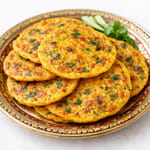
Gram flour and semolina chilla/cheela/savory pancake
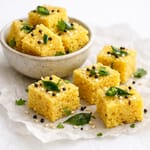
Gram flour and semolina dhokla
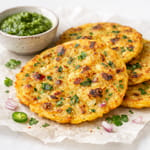
Gram flour chilla/cheela
Gram flour poori
Wheat and gram flour ladoo
Semolina halwa