


 by Workfile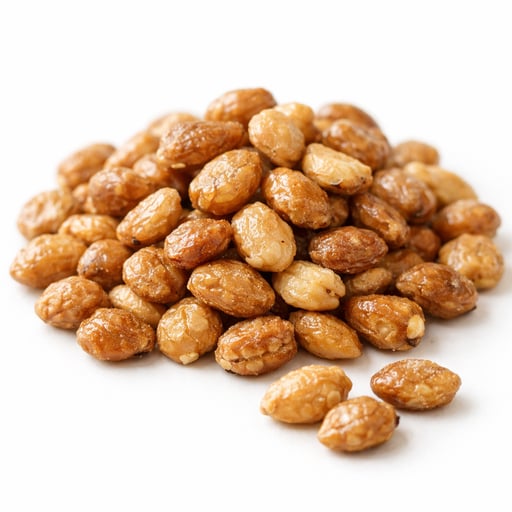
Nuts, butternuts, dried
नट्स, बटरनट्स, सूखे
Juglans cinerea
Dried butternut nuts are edible seeds from the butternut squash, commonly eaten as a snack or used in cooking for added crunch and nutrition.
Nutrition per 100g
Nutrient Breakdown
Key Nutrients(20)
% DV = % Daily Value (adult RDA, ICMR 2020). Values per 100g edible portion.
Use Nuts, butternuts, dried in meal plans
17,000+ foods with real-time nutrient tracking, AI generation, and WhatsApp sharing.
Start FreeFree plan · No credit card
Common questions about Nuts, butternuts, dried
How many calories are in oz of Nuts, butternuts, dried?
oz (28 g) of Nuts, butternuts, dried has about 174 kcal, based on 612 kcal per 100 g.
How much protein is in Nuts, butternuts, dried?
Nuts, butternuts, dried provides about 24.9 g of protein per 100 g.
How are dried butternut nuts commonly used in cooking?
They are commonly eaten as roasted snacks or added to salads and trail mixes for added crunch and nutrition.
Is dried butternut nuts suitable for vegan diets?
Yes, dried butternut nuts are plant-based and suitable for vegan diets.
What is the best way to store dried butternut nuts?
Store them in a cool, dry place in an airtight container to preserve freshness and prevent rancidity.
About Nuts, butternuts, dried
Dried butternut nuts come from the butternut squash plant and are harvested, cleaned, and dried for consumption. They are popularly used as snacks or added to dishes for texture.
This food is high in manganese, rich in magnesium, and a good source of phosphorus and protein, reflecting its dense nutrient content. It also provides notable amounts of selenium, copper, vitamin B6, and thiamine (vitamin B1), making it a nutrient-dense vegan food.
Typical Indian culinary uses include dry roasting or adding to trail mixes and salads. Being plant-based, it is suitable for vegan diets. Like all nuts and seeds, it contains common allergens for those sensitive to nuts.
- High in manganese
- Rich in magnesium
- Provides significant phosphorus and protein
Values per 100g edible portion.
Nutrition data is for reference only. Values may vary by preparation method, brand, and region. Full disclaimer
Similar foods
Browse all →Nuts, beechnuts, dried
Nuts, hickorynuts, dried
Nuts, acorns, dried
Nuts, pine nuts, dried
Nuts, walnuts, black, dried
Nuts, pilinuts, dried
Nuts, chestnuts, chinese, dried
Nuts, chestnuts, japanese, dried