


 by Workfile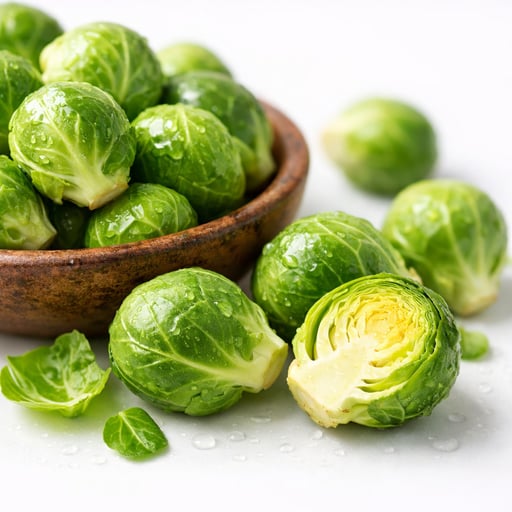
Brussels sprouts
Choote gobi
Brassica oleracea var. gemmifera
Also known as: Biliti Bandhakopi, Nani kobi, Mara kosu, Haakh, Kalakose, Chotee gobi
Brussels sprouts are small, leafy green vegetables often cooked before eating, known for high vitamin C and K content.
Nutrition per 100g
Nutrient Breakdown
Key Nutrients(14)
% DV = % Daily Value (adult RDA, ICMR 2020). Values per 100g edible portion.
Use Brussels sprouts in meal plans
17,000+ foods with real-time nutrient tracking, AI generation, and WhatsApp sharing.
Start FreeFree plan · No credit card
Common questions about Brussels sprouts
How many calories are in 1 katori cooked of Brussels sprouts?
1 katori cooked (100 g) of Brussels sprouts has about 44 kcal, based on 44 kcal per 100 g.
How much protein is in Brussels sprouts?
Brussels sprouts provides about 4.3 g of protein per 100 g.
How much sugar does Brussels sprouts contain?
Brussels sprouts has about 0.2 g of total sugars per 100 g.
How are Brussels sprouts typically prepared?
They are often steamed, boiled, roasted, or sautéed before eating to soften their texture and enhance flavor.
Are Brussels sprouts suitable for a vegan diet?
Yes, Brussels sprouts are plant-based and suitable for vegans.
What is the best way to store Brussels sprouts?
Store Brussels sprouts unwashed in a perforated plastic bag in the refrigerator to keep them fresh for up to a week.
About Brussels sprouts
Brussels sprouts are a cruciferous vegetable commonly enjoyed cooked in various cuisines worldwide. They are small cabbage-like buds that grow on stalks. Typically steamed, boiled, or roasted, they offer a pleasant slightly nutty flavor and firm texture.
They are rich in vitamin C, providing about 85 mg per 100g cooked, which supports immune function. They also provide a good amount of folate (B9) and vitamin K, essential for cell function and blood clotting.
As a low-calorie, low-fat, and high-fiber vegetable, Brussels sprouts fit well in vegan diets and are free from common allergens. Their nutrient profile makes them a valuable addition to balanced meals.
Values per 100g edible portion.
Nutrition data is for reference only. Values may vary by preparation method, brand, and region. Full disclaimer
Similar foods
Browse all →
Green cabbage
Bandh gobi
Violet cabbage
Bandh gobi
Cabbage, collard greens
Chinese cabbage
Leaves knol-khol
Ganth gobi ka sag
Beet greens
Chukandhar sag
Spinach
Palak
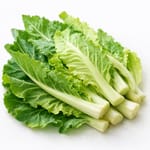
Cauliflower leaves
Phul gobi patta