


 by Workfile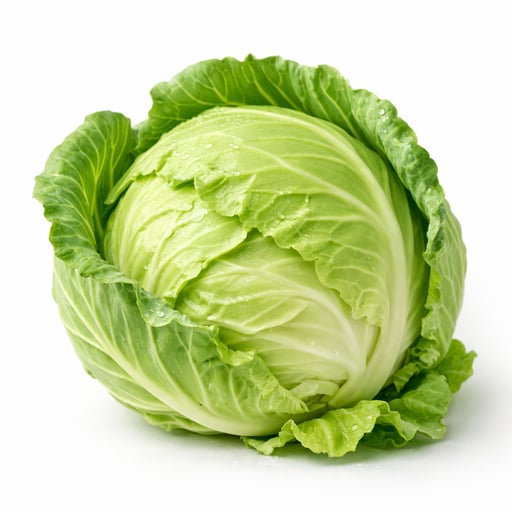
Green cabbage
Bandh gobi
Brassica oleracea var. capitata f. alba
Also known as: Bondhakobi, Badha kopi, Lili kobi, Kosu, Kubi, Muttu gose
Nutrition per 100g
Nutrient Breakdown
Key Nutrients(14)
% DV = % Daily Value (adult RDA, ICMR 2020). Values per 100g edible portion.
Use Green cabbage in meal plans
17,000+ foods with real-time nutrient tracking, AI generation, and WhatsApp sharing.
Start FreeFree plan · No credit card
Common questions about Green cabbage
How many calories are in 1 katori cooked of Green cabbage?
1 katori cooked (100 g) of Green cabbage has about 22 kcal, based on 22 kcal per 100 g.
How much protein is in Green cabbage?
Green cabbage provides about 1.4 g of protein per 100 g.
How much sugar does Green cabbage contain?
Green cabbage has about 1 g of total sugars per 100 g.
How is green cabbage commonly used in Indian cooking?
Green cabbage is used in salads, stir-fries, curries, and as a cooked vegetable side dish in Indian cuisine.
Is green cabbage suitable for vegan diets?
Yes, green cabbage is a plant-based food and suitable for vegan diets.
What is the best way to store green cabbage?
Store green cabbage in the refrigerator wrapped in a plastic bag; it should keep fresh for about 1-2 weeks.
About Green cabbage
Green cabbage is a leafy vegetable commonly used in Indian and international cooking. It has a mildly sweet and peppery taste and is often eaten raw in salads or cooked in various dishes.
- Rich in Vitamin K, which supports blood clotting.
- Good source of Vitamin C, an important antioxidant.
- Contains significant Folate (Vitamin B9), vital for DNA synthesis.
It is naturally vegan and calorie-light, with dietary fiber contributing to digestive health. This vegetable contains no common allergens and is generally low in fat and sodium.
Values per 100g edible portion.
Nutrition data is for reference only. Values may vary by preparation method, brand, and region. Full disclaimer
Similar foods
Browse all →
Violet cabbage
Bandh gobi
Brussels sprouts
Choote gobi
Cabbage, collard greens
Chinese cabbage
Leaves knol-khol
Ganth gobi ka sag
Cauliflower leaves
Phul gobi patta
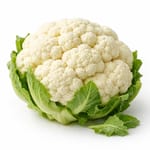
Cauliflower
Phul gobi
Knol - Khol
Kohl-rabi