


 by Workfile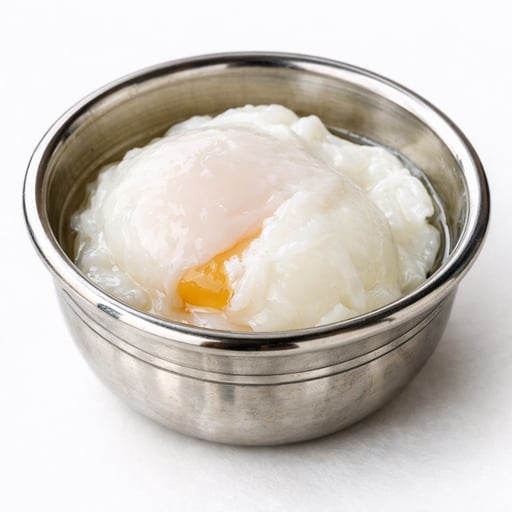
Egg, whole, cooked, poached
Also known as: , ,
A whole egg cooked by poaching, commonly consumed in Indian diets.
Nutrition per 100g
Nutrient Breakdown
Key Nutrients(18)
% DV = % Daily Value (adult RDA, ICMR 2020). Values per 100g edible portion.
Use Egg, whole, cooked, poached in meal plans
17,000+ foods with real-time nutrient tracking, AI generation, and WhatsApp sharing.
Start FreeFree plan · No credit card
Common questions about Egg, whole, cooked, poached
How many calories are in large of Egg, whole, cooked, poached?
large (50 g) of Egg, whole, cooked, poached has about 72 kcal, based on 143 kcal per 100 g.
How much protein is in Egg, whole, cooked, poached?
Egg, whole, cooked, poached provides about 12.5 g of protein per 100 g.
How much sugar does Egg, whole, cooked, poached contain?
Egg, whole, cooked, poached has about 0.4 g of total sugars per 100 g.
What are some common culinary uses for poached eggs?
Poached eggs are often served on toast, in salads, or as a topping for dishes like Eggs Benedict. They can enhance the flavors of a variety of meals with their delicate texture.
How should poached eggs be stored?
Cooked poached eggs should be stored in the refrigerator and consumed within a few days for the best taste and texture.
Are poached eggs suitable for vegetarians?
Yes, poached eggs are suitable for vegetarians but not for vegans, as they are an animal product.
About Egg, whole, cooked, poached
Eggs are a staple source of high-quality protein and essential nutrients in many diets worldwide, including India. Poached eggs are prepared by cooking whole eggs gently in simmering water without the shell, which preserves most nutrients without added fat. They are commonly eaten for breakfast or as part of meals, often accompanied by bread or vegetables.
Poached eggs provide a balanced mix of protein and fats, including essential vitamins such as vitamin B12 and minerals like iron. This cooking method helps retain water-soluble nutrients while minimizing added calories. Eggs are widely appreciated for their versatility and nutrient density.
- Poached eggs are eaten during breakfast, lunch, or dinner.
- They are classified as non-vegetarian due to being an animal product.
- Suitable for those seeking high-protein foods in traditional and modern recipes.
Values per 100g edible portion.
Nutrition data is for reference only. Values may vary by preparation method, brand, and region. Full disclaimer
Similar foods
Browse all →Egg, whole, cooked, fried
Egg, whole, cooked, omelet

Egg, whole, cooked, hard-boiled
Egg, whole, cooked, scrambled
Egg, duck, whole, boiled
Egg, poultry, whole, boiled
Egg, whole, raw, fresh
Egg, country hen, whole, boiled