


 by Workfile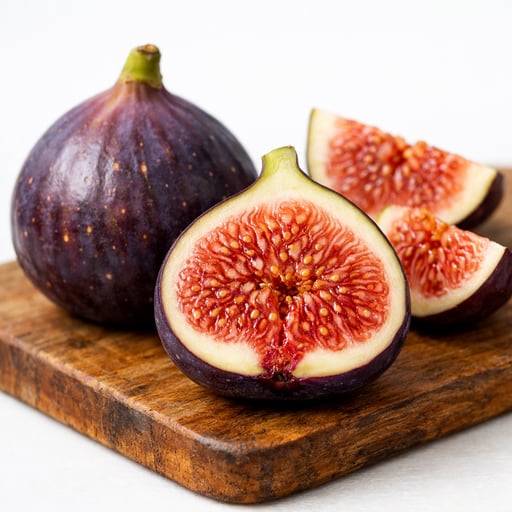
Fig
Anjeer
Ficus Carica
Also known as: Dimoru, Dumura, Common fig, Anjir, Anjurada hannugalu, Soh Dimbur
Figs are sweet, soft fruits that are rich in dietary fiber and essential nutrients. They can be enjoyed fresh or dried, making them a versatile addition to various dishes.
Nutrition per 100g
Nutrient Breakdown
Key Nutrients(14)
% DV = % Daily Value (adult RDA, ICMR 2020). Values per 100g edible portion.
Use Fig in meal plans
17,000+ foods with real-time nutrient tracking, AI generation, and WhatsApp sharing.
Start FreeFree plan · No credit card
Common questions about Fig
How many calories are in 1 medium fruit of Fig?
1 medium fruit (120 g) of Fig has about 98 kcal, based on 82 kcal per 100 g.
How much protein is in Fig?
Fig provides about 2 g of protein per 100 g.
How much sugar does Fig contain?
Fig has about 8.6 g of total sugars per 100 g.
How is fig typically eaten in India?
Figs are eaten fresh or dried as a sweet snack, used in desserts, or added to dishes for flavor and texture.
Is fig suitable for vegans?
Yes, fig is a plant-based fruit and suitable for vegan diets.
How should fresh figs be stored?
Store fresh figs in the refrigerator and consume within a few days as they are perishable.
About Fig
Figs are sweet, soft fruits that originate from the Middle East and Western Asia. They are now cultivated in many parts of the world, including India, where they are celebrated for their unique flavor and nutritional benefits. Figs are typically eaten fresh or dried and can be added to salads, desserts, or enjoyed on their own. They are rich in dietary fiber, which aids digestion, and provide a good source of potassium and calcium.
In addition to their natural sweetness, figs contribute to bone health and may help regulate blood sugar levels. Their high antioxidant content makes them a great choice for a healthy diet. Being a fruit, they are naturally low in calories and fat, making them suitable for a variety of dietary preferences including vegetarian and vegan diets. Figs can be enjoyed various meal slots, such as morning snacks or desserts after meals.
However, it's advisable for those with specific health conditions, such as diabetes, to consume them in moderation due to their high sugar content. Overall, figs are a nutritious addition to a balanced diet.
Values per 100g edible portion.
Nutrition data is for reference only. Values may vary by preparation method, brand, and region. Full disclaimer
Similar foods
Browse all →
Dried apricot
Khoomani

Dates, dry, dark brown
Khajur

Processed dates
Khajur

Processed apricot
Khoomani

Dates, dry, pale brown
Chuhara
Grapes, seedless, round, green
Angoor

Mango, ripe, himsagar
Aam
Mango, ripe, gulabkhas
Aam