


 by Workfile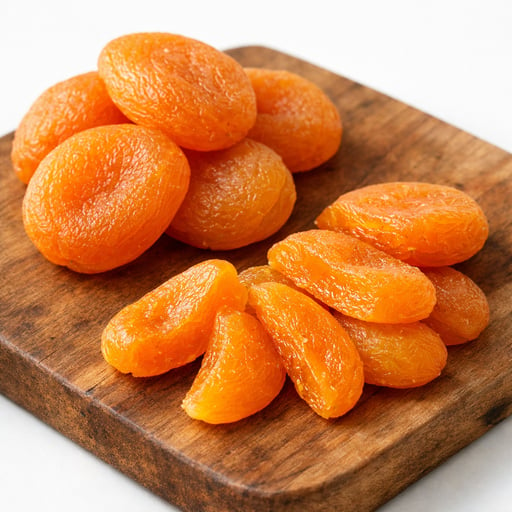
Dried apricot
Khoomani
Prunus armeniaca
Also known as: Malhoi, Suska khubani, Jardaloo, Jaldaru Hannu, Tser, Sheema bedhaam pazham
Dried apricots are dehydrated apricot fruits commonly consumed as a sweet snack or ingredient in Indian sweets and desserts. They are chewy with a concentrated sweet flavor.
Nutrition per 100g
Nutrient Breakdown
Key Nutrients(15)
% DV = % Daily Value (adult RDA, ICMR 2020). Values per 100g edible portion.
Use Dried apricot in meal plans
17,000+ foods with real-time nutrient tracking, AI generation, and WhatsApp sharing.
Start FreeFree plan · No credit card
Common questions about Dried apricot
How many calories are in 1 medium fruit of Dried apricot?
1 medium fruit (120 g) of Dried apricot has about 379 kcal, based on 316 kcal per 100 g.
How much protein is in Dried apricot?
Dried apricot provides about 3.2 g of protein per 100 g.
How much sugar does Dried apricot contain?
Dried apricot has about 25.7 g of total sugars per 100 g.
How is dried apricot commonly used in Indian cooking?
It is often eaten as a snack, added to sweets, or used in desserts and trail mixes.
Is dried apricot suitable for vegan diets?
Yes, dried apricot is a vegan food containing no animal products.
How should dried apricots be stored?
Store in an airtight container in a cool, dry place to maintain freshness and prevent moisture absorption.
About Dried apricot
Dried apricots are the dehydrated form of fresh apricots, retaining most of the flavor and nutrients in a concentrated manner. Widely consumed as a snack or used in Indian culinary preparations such as sweets, desserts, and pilafs, they offer a chewy texture and a naturally sweet taste.
- They provide a concentrated source of carbohydrates and natural sugars due to the drying process.
- Dried apricots contain dietary fiber which aids digestion.
- They contain important minerals including potassium, iron, and calcium.
- This fruit is vegan and contains no animal-derived ingredients.
- Due to drying, vitamin C content is low compared to fresh apricots, and vitamin B12 and D are absent.
These nutrient estimates apply to typical dried apricots without added sugar or preservatives.
Values per 100g edible portion.
Nutrition data is for reference only. Values may vary by preparation method, brand, and region. Full disclaimer
Similar foods
Browse all →
Processed apricot
Khoomani
Dates, dry, pale brown
Chuhara
Dates, dry, dark brown
Khajur
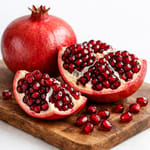
Pomegranate, maroon seeds
Anar
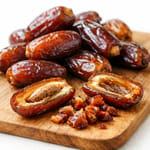
Processed dates
Khajur
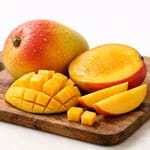
Mango, ripe, gulabkhas
Aam
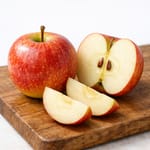
Apple, small, Kashmir
Sev
Mango, ripe, kesar
Aam