


 by Workfile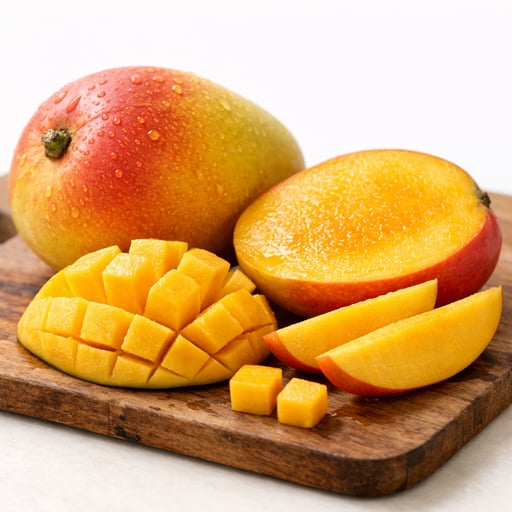
Mango, ripe, gulabkhas
Aam
Mangifera indica
Also known as: Pakeli Kedi, Mvina hannu, Aamb, Soh pieng, Mam pazham, Heinou Amunba
Gulabkhas mango is a sweet, juicy variety of ripe mango popular in India, often eaten fresh or in desserts.
Nutrition per 100g
Nutrient Breakdown
Key Nutrients(14)
% DV = % Daily Value (adult RDA, ICMR 2020). Values per 100g edible portion.
Use Mango, ripe, gulabkhas in meal plans
17,000+ foods with real-time nutrient tracking, AI generation, and WhatsApp sharing.
Start FreeFree plan · No credit card
Common questions about Mango, ripe, gulabkhas
How many calories are in 1 medium mango (~150g pulp) of Mango, ripe, gulabkhas?
1 medium mango (~150g pulp) (150 g) of Mango, ripe, gulabkhas has about 75 kcal, based on 50 kcal per 100 g.
How much protein is in Mango, ripe, gulabkhas?
Mango, ripe, gulabkhas provides about 0.5 g of protein per 100 g.
How much sugar does Mango, ripe, gulabkhas contain?
Mango, ripe, gulabkhas has about 8.1 g of total sugars per 100 g.
How is Gulabkhas mango typically consumed?
It is usually eaten fresh as a ripe fruit, and also used in desserts, shakes, and traditional sweets.
Is Gulabkhas mango suitable for vegan diets?
Yes, Gulabkhas mango is a plant-based fruit and is suitable for vegan diets.
How should Gulabkhas mangoes be stored?
Store unripe mangoes at room temperature to ripen and refrigerate ripe mangoes to prolong freshness.
About Mango, ripe, gulabkhas
The Gulabkhas mango is a distinct variety of mango known for its pleasant aroma, sweet taste, and soft flesh. Native to India, this mango is enjoyed ripe as a fresh fruit and is often used in traditional desserts and beverages. It has a smooth, yellowish-orange skin and bright orange pulp that is soft and juicy when ripe.
Nutritionally, the Gulabkhas mango provides a moderate amount of energy primarily from natural sugars, with very low fat and protein content. It contains vitamin C and folate (vitamin B9), contributing modestly to daily nutritional needs. The mango also provides small amounts of minerals like potassium and calcium. This fruit is vegan and free from common allergens.
Its vibrant color and sweetness make it a favorite seasonal fruit during mango season across India, commonly eaten raw, in fruit salads, or blended into shakes. It aligns well with various meal times such as mid-morning snacks, lunch desserts, or evening refreshment.
Values per 100g edible portion.
Nutrition data is for reference only. Values may vary by preparation method, brand, and region. Full disclaimer
Similar foods
Browse all →
Mango, ripe, himsagar
Aam
Mango, ripe, kesar
Aam
Mango, ripe, neelam
Aam
Mango, ripe, paheri
Aam
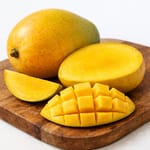
Mango, ripe, banganapalli
Aam
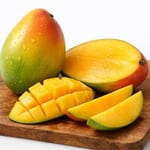
Mango, ripe, totapari
Aam
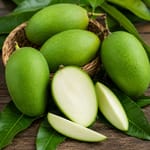
Mango, green, raw
Katcha Aam
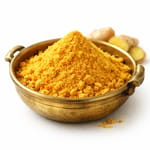
Mango ginger
Aam adhrak