


 by Workfile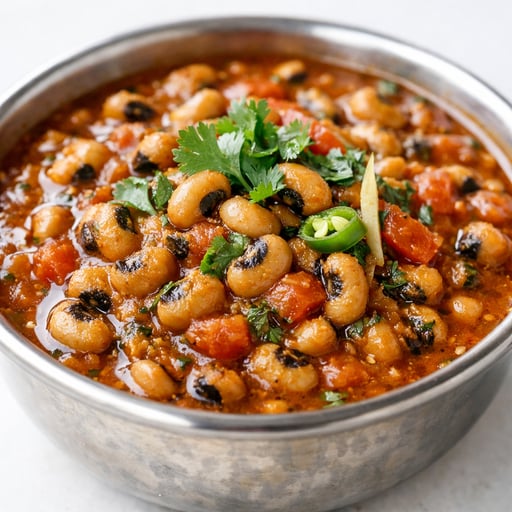
Lobia curry
लोबिया करी
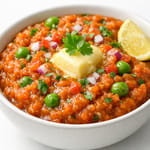
Lobia Curry is a flavorful North Indian dish made from black-eyed peas cooked with spices and herbs, perfect for pairing with rice or roti.
Nutrition per 100g
Nutrient Breakdown
Key Nutrients(18)
% DV = % Daily Value (adult RDA, ICMR 2020). Values per 100g edible portion.
Use Lobia curry in meal plans
17,000+ foods with real-time nutrient tracking, AI generation, and WhatsApp sharing.
Start FreeFree plan · No credit card
Common questions about Lobia curry
How many calories are in 1 bowl of Lobia curry?
1 bowl (120 g) of Lobia curry has about 179 kcal, based on 149 kcal per 100 g.
How much protein is in Lobia curry?
Lobia curry provides about 6.1 g of protein per 100 g.
How much sugar does Lobia curry contain?
Lobia curry has about 2.5 g of total sugars per 100 g.
What is lobia curry made from?
Lobia curry is made primarily from black-eyed peas cooked in a spiced onion and tomato gravy.
Is lobia curry suitable for vegans?
Yes, lobia curry contains no animal products and is suitable for a vegan diet.
How should lobia curry be stored?
Keep cooked lobia curry refrigerated and consume within 2-3 days for best quality.
About Lobia curry
Lobia Curry is a popular dish in North India, made with black-eyed peas (lobia) simmered in a spicy gravy. This hearty dish is often enjoyed with rice or roti and makes for a nutritious meal. Nutrition-wise, it is a good source of protein, dietary fiber, and various essential vitamins and minerals, making it a healthy option for vegetarians.
This curry is not just delicious; it's also packed with nutrients like iron, potassium, and folate. Black-eyed peas are known for their beneficial properties, including promoting heart health and aiding digestion. The dish typically includes ingredients like onions, tomatoes, and a mix of spices that enhance its flavor.
It is suitable for lunch or dinner, and can be enjoyed with various side dishes. With its moderate sodium content, it is advisable for those monitoring their salt intake, making it a safer choice compared to many restaurant versions food that may be higher in fat and salt.
Values per 100g edible portion.
Nutrition data is for reference only. Values may vary by preparation method, brand, and region. Full disclaimer
Contains data from Indian Nutrient Databank (INDB), University of Edinburgh, licensed under CC BY 4.0, modified for presentation.
Report a data issueSimilar foods
Browse all →
Soyabean curry
सोयाबीन करी
Avial
Chicken curry
Indian lamb and egg curry
Paneer kofta curry
पनीर कोफ्ता करी
Pav bhaji
पाव भाजी
Pea vadi curry
Pea curry