


 by Workfile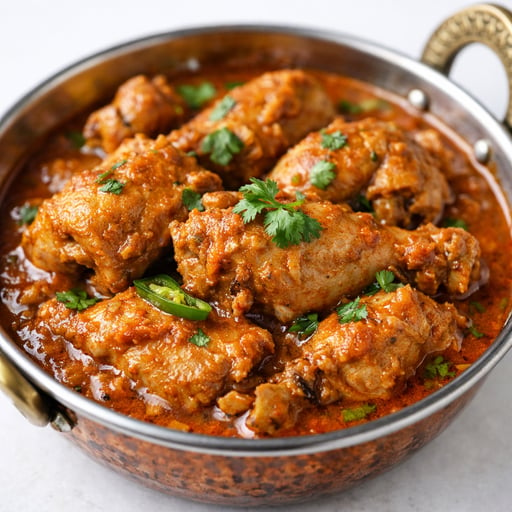
Chicken curry
Also known as: Chicken Curry
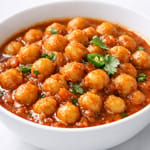
A flavorful and aromatic dish made with chicken pieces cooked in a rich tomato-based gravy, seasoned with a blend of spices. Perfect for pairing with rice or bread.
Nutrition per 100g
Nutrient Breakdown
Key Nutrients(18)
% DV = % Daily Value (adult RDA, ICMR 2020). Values per 100g edible portion.
Use Chicken curry in meal plans
17,000+ foods with real-time nutrient tracking, AI generation, and WhatsApp sharing.
Start FreeFree plan · No credit card
Common questions about Chicken curry
How many calories are in 1 bowl of Chicken curry?
1 bowl (248 g) of Chicken curry has about 320 kcal, based on 129 kcal per 100 g.
How much protein is in Chicken curry?
Chicken curry provides about 11.8 g of protein per 100 g.
How much sugar does Chicken curry contain?
Chicken curry has about 1.8 g of total sugars per 100 g.
Is chicken curry suitable for a non-vegetarian diet?
Yes, chicken curry contains cooked chicken and is classified as a non-vegetarian dish.
How should chicken curry be stored?
Store cooked chicken curry refrigerated in a covered container and consume within 2-3 days for best quality.
About Chicken curry
Chicken curry is a beloved dish in Indian homes, characterized by tender pieces of chicken cooked in a variety of spices, onions, tomatoes, and sometimes yogurt. Each region boasts its own unique take on chicken curry, resulting in diverse flavors and heat levels. Typically served with rice or flatbreads, it can be a comforting meal for lunch or dinner.
In terms of nutrition, chicken curry offers a good balance of protein and fats, thanks to the chicken and oil used in the preparation. It provides essential vitamins and minerals, including iron and vitamin A, which are vital for health. However, those watching their sodium intake should be mindful, as this dish can contain moderate to high levels of salt.
This dish is generally suitable for non-vegetarians and can be customized with various vegetables or spices to cater to different palates. Its versatility and rich taste make it a favorite in many households.
Values per 100g edible portion.
Nutrition data is for reference only. Values may vary by preparation method, brand, and region. Full disclaimer
Contains data from Indian Nutrient Databank (INDB), University of Edinburgh, licensed under CC BY 4.0, modified for presentation.
Report a data issueSimilar foods
Browse all →
Paneer curry
Fish curry
Chicken korma
Egg curry
Chickpeas curry
Pea curry
Kabuli channa curry
Potato curry