


 by Workfile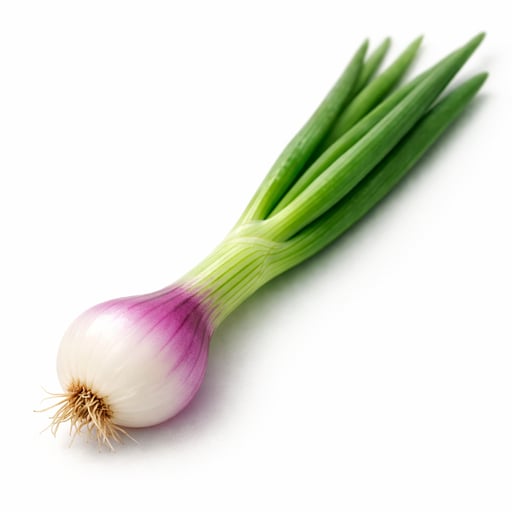
Stalk onion
Pyaz
Allium wakegi
Also known as: Piyaj paat, Piyaz kali, Spring onion, Onion greens, Dunglina dakkadi, Erulli soppu, Pichiganda
Onion stalk, also known as green onion or spring onion, is a fresh vegetable commonly used in Indian cooking for garnishing and flavoring. It provides significant amounts of vitamin K, vitamin C, folate, and chromium, along with dietary fiber, contributing to a nutritious diet.
Nutrition per 100g
Nutrient Breakdown
Key Nutrients(17)
% DV = % Daily Value (adult RDA, ICMR 2020). Values per 100g edible portion.
Use Stalk onion in meal plans
17,000+ foods with real-time nutrient tracking, AI generation, and WhatsApp sharing.
Start FreeFree plan · No credit card
Common questions about Stalk onion
How many calories are in 1 katori cooked sabzi of Stalk onion?
1 katori cooked sabzi (150 g) of Stalk onion has about 38 kcal, based on 26 kcal per 100 g.
How much protein is in Stalk onion?
Stalk onion provides about 2.1 g of protein per 100 g.
How much sugar does Stalk onion contain?
Stalk onion has about 0.4 g of total sugars per 100 g.
How is onion stalk typically used in cooking?
Onion stalk is commonly used fresh as a garnish or flavoring in salads, soups, and cooked dishes. It adds a mild onion flavor and color.
Is onion stalk suitable for vegans?
Yes, onion stalk is a plant-based vegetable and is suitable for vegan diets.
How should onion stalk be stored to maintain freshness?
Store onion stalk in a perforated plastic bag in the refrigerator. Use within a few days for best freshness and nutrient retention.
About Stalk onion
Onion stalk, commonly referred to as green onion or spring onion, is widely used in Indian cuisine as a fresh vegetable. Its long, green leafy stems and white base are flavorful components used raw or cooked in various dishes like salads, curries, and garnishes.
This vegetable is notable for providing significant amounts of chromium, vitamin K, vitamin C, folate (B9), biotin, magnesium, and dietary fiber, which support various nutritional needs. The stalks are low in calories and fat, making them suitable for vegan diets.
Onion stalks are typically consumed raw or lightly cooked, retaining much of their vitamin content. They are versatile, enhancing the taste and nutritional profile of meals without adding excess calories or fat.
- Rich in vitamin K and vitamin C
- Provides good amounts of folate and chromium
- Contains dietary fiber important for digestion
- Vegan and naturally low in fat and calories
Values per 100g edible portion.
Nutrition data is for reference only. Values may vary by preparation method, brand, and region. Full disclaimer
Similar foods
Browse all →
Big onion
Pyaz
Small onion
Pyaaz Kali
Onion chutney
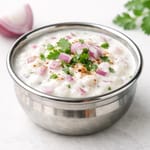
Onion raita
Pumpkin, green, cylindrical
Kaddu
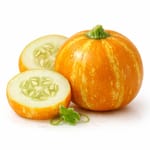
Cucumber, orange, round
Kakadi
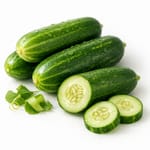
Cucumber, green, short
Kheera, Kachumbar
Onion pakora/pakoda