

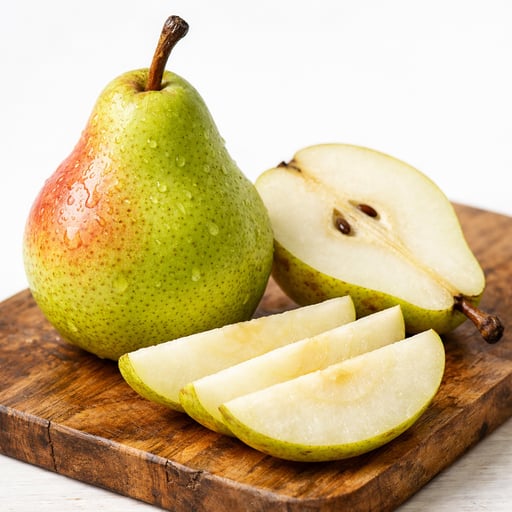
Pear
Nashpati
Pyrus sp.
Also known as: Naspoti, Nashpatino, Berikai, Tang, Soh phoh, Sabarjil
A sweet and juicy fruit, pears are popular for their delicate flavor and unique texture, often enjoyed fresh or in desserts.
Nutrition per 100g
Nutrient Breakdown
Key Nutrients(15)
% DV = % Daily Value (adult RDA, ICMR 2020). Values per 100g edible portion.
Use Pear in meal plans
17,000+ foods with real-time nutrient tracking, AI generation, and WhatsApp sharing.
Start FreeFree plan · No credit card
Common questions about Pear
How many calories are in 1 medium fruit of Pear?
1 medium fruit (120 g) of Pear has about 45 kcal, based on 38 kcal per 100 g.
How much protein is in Pear?
Pear provides about 0.4 g of protein per 100 g.
How much sugar does Pear contain?
Pear has about 7.4 g of total sugars per 100 g.
How is pear commonly eaten?
Pears are commonly eaten raw as a fresh fruit or added to salads and desserts.
Is pear suitable for a vegan diet?
Yes, pear is a vegan fruit with no animal products.
How should pears be stored?
Store pears at room temperature until ripe, then refrigerate to extend freshness.
About Pear
Pears are a sweet and juicy fruit belonging to the genus Pyrus. They come in various varieties, with distinct flavors and sizes, and are commonly found in many parts of the world, especially in temperate regions. This fruit is often enjoyed fresh, sliced in salads, or as part of desserts such as tarts and crumbles.
Nutritionally, pears are rich in dietary fiber which aids in digestion, and they provide a good source of vitamin C. Their natural sweetness makes them popular for health-conscious individuals and they serve as a perfect snack for any time of the day. Additionally, pears are low in calories and have a low glycemic index, making them suitable for diabetic clients.
Values per 100g edible portion.
Nutrition data is for reference only. Values may vary by preparation method, brand, and region. Full disclaimer
Similar foods
Browse all →Peach
Aroo
Pear, nashi, unpeeled, raw
Processed apricot
Khoomani
Pineapple
Ananas
Apple, small, Kashmir
Sev
Dried apricot
Khoomani
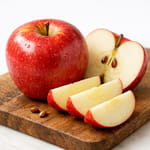
Big apple
Sev
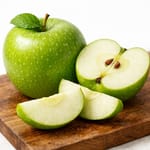
Green apple
Sev