

 by Workfile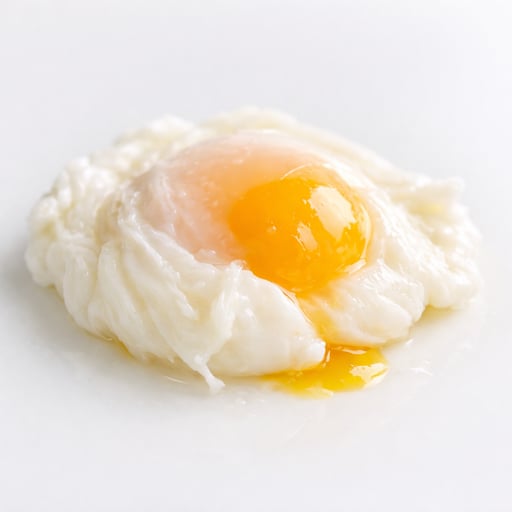
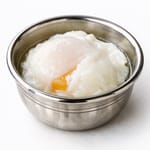
Poached egg
Also known as: Poached Egg
A poached egg is a nutritious preparation of an egg, cooked in simmering water. It is a popular breakfast dish that is low in calories yet packed with protein.
Nutrition per 100g
Nutrient Breakdown
Key Nutrients(17)
% DV = % Daily Value (adult RDA, ICMR 2020). Values per 100g edible portion.
Use Poached egg in meal plans
17,000+ foods with real-time nutrient tracking, AI generation, and WhatsApp sharing.
Start FreeFree plan · No credit card
Common questions about Poached egg
How many calories are in 1 egg of Poached egg?
1 egg (56 g) of Poached egg has about 69 kcal, based on 124 kcal per 100 g.
How much protein is in Poached egg?
Poached egg provides about 12 g of protein per 100 g.
How much sugar does Poached egg contain?
Poached egg has about 0 g of total sugars per 100 g.
How is a poached egg prepared?
Poached eggs are made by gently cooking shelled eggs in simmering water until whites are set but yolks remain runny.
Is a poached egg suitable for vegetarian diets?
Poached egg contains eggs and is suitable for egg (ovo) vegetarian diets but not for vegans.
How should poached eggs be stored?
Poached eggs should be consumed fresh; if stored, keep refrigerated and consume within 1–2 days.
About Poached egg
Poached eggs are eggs that are cooked in simmering water, allowing them to retain their shape without the addition of fat. This cooking technique results in a tender white and a runny yolk, making them perfect for various dishes such as Eggs Benedict or simply on toast.
Nutritious Benefits: Poached eggs are rich in high-quality protein and contain essential nutrients, making them a great option for breakfast or any meal. They are also a good source of vitamin A, B12, and folate. - They provide healthy fats while remaining low in carbohydrates. - Being low in calories, they are suitable for those watching their weight.
Due to their egg content, they are considered non-vegetarian and may contain allergens for individuals sensitive to eggs.
Values per 100g edible portion.
Nutrition data is for reference only. Values may vary by preparation method, brand, and region. Full disclaimer
Contains data from Indian Nutrient Databank (INDB), University of Edinburgh, licensed under CC BY 4.0, modified for presentation.
Report a data issue