


 by Workfile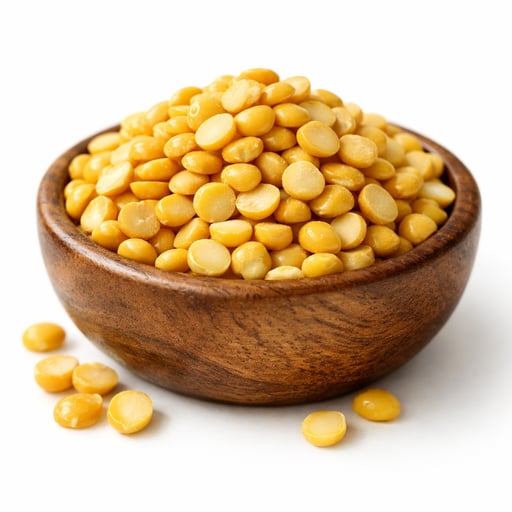
Dal bengal gram
Chan-ki-dal
Cicer arietinum
Also known as: Boot dail, Cholar dal, Split Bengal gram, Chickpea, Chana-ni-daad, Kadale bele, Chanu dal
Nutrition per 100g
Nutrient Breakdown
Key Nutrients(20)
% DV = % Daily Value (adult RDA, ICMR 2020). Values per 100g edible portion.
Use Dal bengal gram in meal plans
17,000+ foods with real-time nutrient tracking, AI generation, and WhatsApp sharing.
Start FreeFree plan · No credit card
Common questions about Dal bengal gram
How many calories are in 1 katori cooked dal of Dal bengal gram?
1 katori cooked dal (150 g) of Dal bengal gram has about 494 kcal, based on 329 kcal per 100 g.
How much protein is in Dal bengal gram?
Dal bengal gram provides about 21.6 g of protein per 100 g.
How much sugar does Dal bengal gram contain?
Dal bengal gram has about 1 g of total sugars per 100 g.
What are common culinary uses of Bengal gram dal?
Bengal gram dal is widely used in Indian cooking for making dals, soups, stews, snacks, and as an ingredient in various traditional recipes.
Is Bengal gram dal suitable for vegans?
Yes, Bengal gram dal is a plant-based pulse and is suitable for vegan diets.
How should Bengal gram dal be stored?
Store in an airtight container in a cool, dry place to maintain freshness and prevent insect infestation.
About Dal bengal gram
Bengal gram dal, also known as chana dal, is a form of split and hulled chickpeas widely used in Indian cuisine. It is a staple ingredient for dals, soups, and snacks across the Indian subcontinent.
This legume is nutritionally notable because it is rich in selenium, good source of folate (vitamin B9) and provides significant copper and manganese. It also contains a high amount of dietary fiber and protein, making it a popular choice in vegetarian and vegan diets.
Bengal gram dal is unprocessed and consumed after cooking, which softens the texture and aids digestion. It is naturally gluten-free and contains no animal products, fitting well into vegan nutritional plans.
- Rich in selenium
- Good source of folate (B9)
- High in fiber and protein
- Contains copper and manganese
It is commonly used for making traditional Indian dals, snacks like dal vada, and paired with rice or roti for balanced meals.
Values per 100g edible portion.
Nutrition data is for reference only. Values may vary by preparation method, brand, and region. Full disclaimer
Similar foods
Browse all →
Whole bengal gram
Chana, Kala chana
Dal black gram
Urad dal
Dal red gram
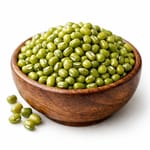
Dal green gram
Mug dal
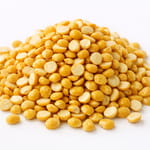
Split bengal gram dal
Whole black gram
Chhilke wali urad dal
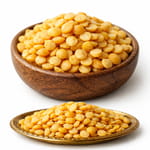
Lentil dal
Masoor dal
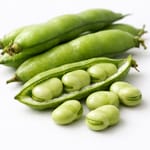
Broad beans
Bakla