


 by Workfile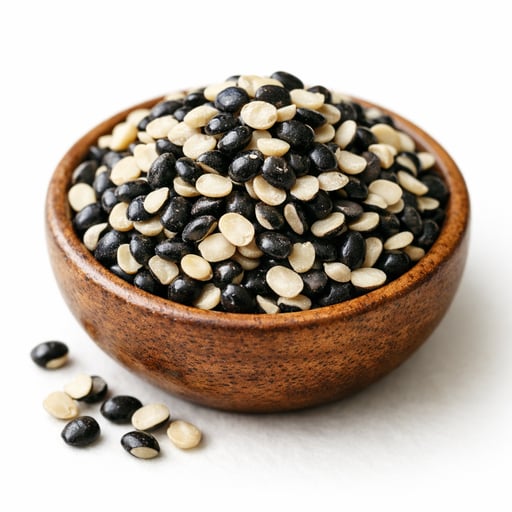
Dal black gram
Urad dal
Phaseolus mungo
Also known as: Matir dail phola, Biulir dal, Urad bean, Mungo bean, Black matpe bean, Aadad ni daad, Uddhina bele, Kaha
Black gram dal is a rich source of protein and fiber, commonly used in Indian cuisine in various dishes like dals and curries.
Nutrition per 100g
Nutrient Breakdown
Key Nutrients(19)
% DV = % Daily Value (adult RDA, ICMR 2020). Values per 100g edible portion.
Use Dal black gram in meal plans
17,000+ foods with real-time nutrient tracking, AI generation, and WhatsApp sharing.
Start FreeFree plan · No credit card
Common questions about Dal black gram
How many calories are in 1 katori cooked dal of Dal black gram?
1 katori cooked dal (150 g) of Dal black gram has about 486 kcal, based on 324 kcal per 100 g.
How much protein is in Dal black gram?
Dal black gram provides about 23.1 g of protein per 100 g.
How much sugar does Dal black gram contain?
Dal black gram has about 0.8 g of total sugars per 100 g.
How is black gram dal commonly used in cooking?
It is commonly boiled and used as dal, ground into batter for dosa and vada, or added to curries in Indian cuisine.
Is black gram dal suitable for vegans?
Yes, black gram dal is plant-based and suitable for vegan diets.
How should black gram dal be stored?
Store dried black gram dal in a cool, dry place in an airtight container to prevent moisture and pest contamination.
About Dal black gram
Black gram, also known as urad dal, is a staple in Indian households, prized for its high protein content and earthy flavors. It is often cooked into a thick, hearty dal or used in various preparations like idli and dosa batter. Its dark color signifies a high nutrient profile, especially rich in dietary fiber and essential minerals.
- Nutrition Highlights:
- High in protein, providing a substantial amount for vegetarians.
- A good source of folate, essential for cell division and synthesis.
- Contains iron and calcium, contributing to bone health and energy levels.
This versatile legume is not only delicious but also beneficial for digestive health due to its high fiber content. It fits well into various meal slots, making it suitable for lunch, dinner, and even breakfast dishes like dosa or idli.
Values per 100g edible portion.
Nutrition data is for reference only. Values may vary by preparation method, brand, and region. Full disclaimer
Similar foods
Browse all →Whole black gram
Chhilke wali urad dal
Dal green gram
Mug dal
Dal bengal gram
Chan-ki-dal
Dal red gram
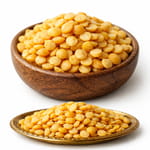
Lentil dal
Masoor dal
Whole green gram
Mung
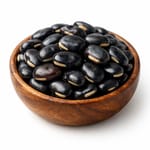
Black field bean
Sem
Whole red gram
Arhar sabud