


 by Workfile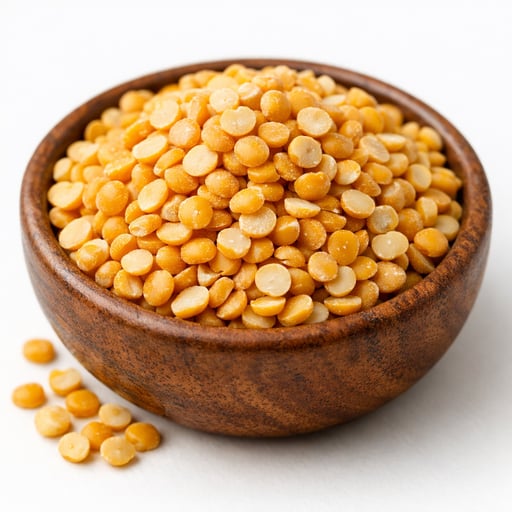
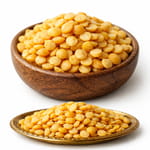
Dal red gram
Cajanus cajan
Also known as: Rohor dail, , Kash., H. Arhar dal, Pigeon pea, Tuver ni daad, Thugare bele, Masur
Red gram dal is a popular lentil in Indian cuisine, often used in various dishes like dals and curries. It is rich in protein and fiber, making it a healthy choice for meals.
Nutrition per 100g
Nutrient Breakdown
Key Nutrients(21)
% DV = % Daily Value (adult RDA, ICMR 2020). Values per 100g edible portion.
Use Dal red gram in meal plans
17,000+ foods with real-time nutrient tracking, AI generation, and WhatsApp sharing.
Start FreeFree plan · No credit card
Common questions about Dal red gram
How many calories are in 1 katori cooked dal of Dal red gram?
1 katori cooked dal (150 g) of Dal red gram has about 496 kcal, based on 331 kcal per 100 g.
How much protein is in Dal red gram?
Dal red gram provides about 21.7 g of protein per 100 g.
How much sugar does Dal red gram contain?
Dal red gram has about 2.1 g of total sugars per 100 g.
How is red gram dal commonly used in cooking?
Red gram dal is mainly cooked as a thick stew or soup and served with rice or roti. It is often tempered with spices like mustard seeds, cumin, and turmeric.
Is red gram dal suitable for vegetarian or vegan diets?
Yes, red gram dal is a plant-based pulse that is suitable for both vegetarian and vegan diets.
How should red gram dal be stored for best quality?
Store dry red gram dal in an airtight container in a cool, dry place. Cooked dal should be refrigerated and consumed within 2-3 days.
About Dal red gram
Red gram dal, commonly known as toor dal or arhar dal, is a popular legume in Indian cuisine, often used in dal preparations and various curries. This nutritious ingredient is rich in protein, making it a common source of nutrition in vegetarian diets.
Typically, red gram dal is enjoyed in various forms, including soups, stews, or as a side dish with rice and roti. It is valued not only for its taste but also for its nutritional benefits, including fiber and essential vitamins like folate. Additionally, its low glycemic index makes it suitable for diabetic diets, providing sustained energy without causing significant blood sugar spikes.
Cooking this dal requires soaking it prior to preparation, which enhances its digestibility and nutrient absorption. It's a staple in many Indian households, reflecting a cooking tradition that emphasizes health and taste.
Values per 100g edible portion.
Nutrition data is for reference only. Values may vary by preparation method, brand, and region. Full disclaimer
Similar foods
Browse all →Whole red gram
Arhar sabud
Dal green gram
Mug dal
Dal black gram
Urad dal
Dal bengal gram
Chan-ki-dal
Red gram, tender, fresh
Arhar ki fali
Lentil dal
Masoor dal
Whole green gram
Mung
Whole black gram
Chhilke wali urad dal