


 by Workfile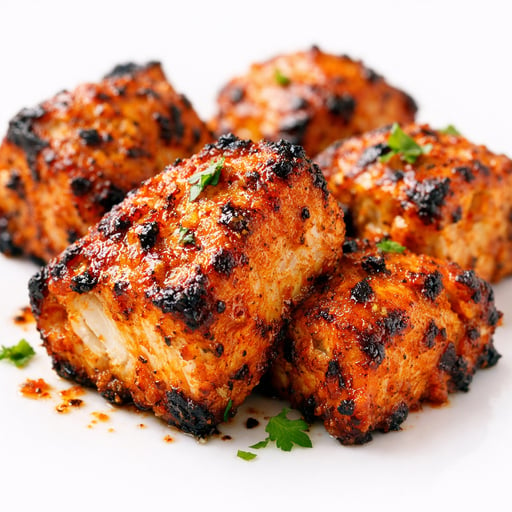
Fish tikka
Also known as: Fish Tikka
Fish tikka is an Indian dish made by marinating pieces of fish with spices and grilling them, resulting in a flavorful and protein-rich delicacy.
Nutrition per 100g
Nutrient Breakdown
Key Nutrients(18)
% DV = % Daily Value (adult RDA, ICMR 2020). Values per 100g edible portion.
Use Fish tikka in meal plans
17,000+ foods with real-time nutrient tracking, AI generation, and WhatsApp sharing.
Start FreeFree plan · No credit card
Common questions about Fish tikka
How many calories are in 1 piece of Fish tikka?
1 piece (35 g) of Fish tikka has about 41 kcal, based on 117 kcal per 100 g.
How much protein is in Fish tikka?
Fish tikka provides about 16 g of protein per 100 g.
How much sugar does Fish tikka contain?
Fish tikka has about 1.2 g of total sugars per 100 g.
Is fish tikka suitable for non-vegetarian diets?
Yes, fish tikka contains fish and is suitable for non-vegetarian diets only.
What are common ways to serve fish tikka?
Fish tikka is usually served as an appetizer or snack, often with mint chutney and salad.
How should fish tikka be stored?
Store fish tikka refrigerated and consume within 1-2 days for best quality and safety.
About Fish tikka
Fish Tikka is a popular Indian appetizer or snack made by marinating fish chunks in a blend of yogurt and spices, then grilling or roasting them until charred and juicy. It originates from North Indian cuisine and is often cooked in a tandoor or oven.
- It provides high protein content, supporting muscle growth and repair.
- It contains significant selenium, an important antioxidant mineral.
- It is a good source of phosphorus, sodium, vitamin E, and pantothenic acid (B5), contributing to overall nutritional value.
This dish is typically suitable for non-vegetarian diets and is free from dairy if vegan yogurt is used in marination. It is low in carbohydrates and provides moderate fat from cooking oils and fish fat.
Values per 100g edible portion.
Nutrition data is for reference only. Values may vary by preparation method, brand, and region. Full disclaimer
Contains data from Indian Nutrient Databank (INDB), University of Edinburgh, licensed under CC BY 4.0, modified for presentation.
Report a data issueSimilar foods
Browse all →
Tandoori fish
Hariyali Fish Tikka
Tandoori chicken
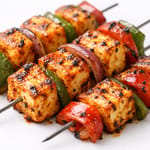
Paneer shaslik/tikka
Chicken Tikka
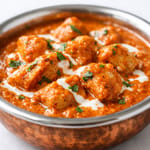
Butter chicken
Tomato chicken
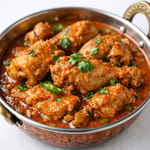
Chicken curry