


 by Workfile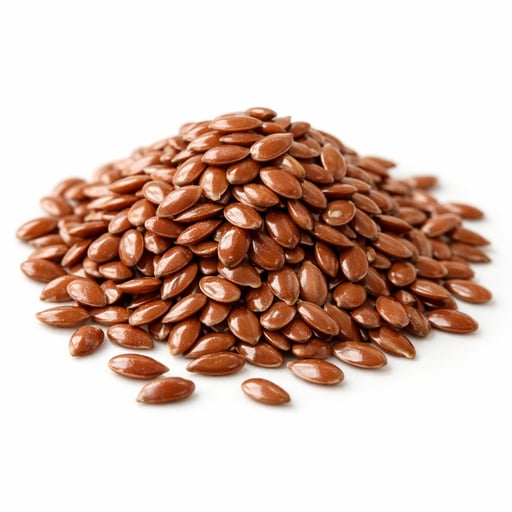
Linseeds
Alsi
Linum usitatissimum
Also known as: Tishi, Flax seeds, Common flax, Adsi, Agasi, Ailsh, Cheruchana vithu
Linseeds, also known as flaxseeds, are small brown or golden seeds commonly used in Indian households. They are eaten raw or roasted as a nutritional supplement or added to dishes for flavor and texture.
Nutrition per 100ml
Nutrient Breakdown
Key Nutrients(22)
% DV = % Daily Value (adult RDA, ICMR 2020). Values per 100ml edible portion.
Use Linseeds in meal plans
17,000+ foods with real-time nutrient tracking, AI generation, and WhatsApp sharing.
Start FreeFree plan · No credit card
Common questions about Linseeds
How many calories are in 1 handful (~30g) of Linseeds?
1 handful (~30g) (30 ml) of Linseeds has about 133 kcal, based on 444 kcal per 100 ml.
How much protein is in Linseeds?
Linseeds provides about 18.6 g of protein per 100 ml.
How much sugar does Linseeds contain?
Linseeds has about 0.6 g of total sugars per 100 ml.
How are linseeds used in Indian cooking?
Linseeds are commonly eaten raw or roasted, added to rotis, cereals, or snacks to enhance nutritional content and flavor.
Are linseeds vegan?
Yes, linseeds are plant seeds and are suitable for vegan diets.
How should linseeds be stored?
Store linseeds in an airtight container in a cool, dry place to maintain freshness and prevent rancidity.
About Linseeds
Linseeds, or flaxseeds, are seeds from the flax plant traditionally used in Indian cuisine and Ayurvedic preparations. They have a mild, nutty flavor and a slightly crunchy texture. These seeds are consumed whole or ground, often sprinkled on cereals, added to rotis, or incorporated into porridges.
They are notable for their impressive nutrient content, particularly being high in copper, selenium, magnesium, and dietary fiber, providing over 100% of daily values per 100g. Linseeds also provide significant amounts of vitamin E, biotin, manganese, and phosphorus, making them a nutrient-dense seed option.
These seeds are vegan-friendly and can be included in various meals, especially in breakfast and snacks. They have a low glycemic index and are free from common allergens such as gluten and dairy.
- Common culinary uses include roasting and grinding to add to dough or smoothies.
- Linseeds have a solid physical state and are consumed in raw or roasted forms without cooking.
- They fit well into diets seeking nutrients like minerals and fiber naturally found in plant foods.
Values per 100ml edible portion.
Nutrition data is for reference only. Values may vary by preparation method, brand, and region. Full disclaimer
Similar foods
Browse all →Brown gingelly seeds
Til
White gingelly seeds
Til
Black gingelly seeds
Til
Flaxseed seeds
Seeds garden cress
Halim
Seed, linseed or flaxseed
Safflower seeds
Kardi
Mustard seeds
Rai