


 by Workfile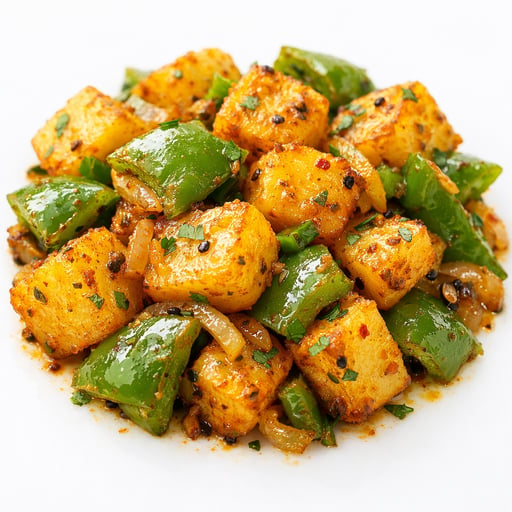
Potato capsicum
Also known as: Aloo capsicum, Shimla mirch aloo
A simple cooked vegetable dish combining potato and capsicum, commonly used in Indian home cooking.
Nutrition per 100g
Nutrient Breakdown
Key Nutrients(15)
% DV = % Daily Value (adult RDA, ICMR 2020). Values per 100g edible portion.
Use Potato capsicum in meal plans
17,000+ foods with real-time nutrient tracking, AI generation, and WhatsApp sharing.
Start FreeFree plan · No credit card
Common questions about Potato capsicum
How many calories are in 1 bowl of Potato capsicum?
1 bowl (151 g) of Potato capsicum has about 190 kcal, based on 126 kcal per 100 g.
How much protein is in Potato capsicum?
Potato capsicum provides about 1.4 g of protein per 100 g.
How much sugar does Potato capsicum contain?
Potato capsicum has about 0.5 g of total sugars per 100 g.
What is Potato Capsicum commonly used for?
It is a cooked vegetable dish commonly served as a side with Indian meals or as a snack.
Is Potato Capsicum suitable for vegan diets?
Yes, it contains no animal products and is suitable for vegans.
How should Potato Capsicum be stored?
Store cooked Potato Capsicum in the refrigerator in a covered container and consume within 2-3 days for best quality.
About Potato capsicum
Potato Capsicum is a popular vegetable mix in Indian cuisine, featuring tender cooked potatoes combined with capsicum (bell pepper). This dish is often sautéed with mild spices and used as a side or snack.
- It is rich in Vitamin C, Vitamin E, and Vitamin K, reflecting the nutritional strengths of capsicum.
- Provides modest energy with low fat and moderate carbohydrates.
- Suitable for vegan diets and a good option for varied meal planning.
This vegetable mix pairs well with rotis or rice and is favored for its vibrant colors and nutritional benefits.
Values per 100g edible portion.
Nutrition data is for reference only. Values may vary by preparation method, brand, and region. Full disclaimer
Contains data from Indian Nutrient Databank (INDB), University of Edinburgh, licensed under CC BY 4.0, modified for presentation.
Report a data issueSimilar foods
Browse all →
Stuffed capsicum
Potato curry
Potato cauliflower
Spinach and potato
Pea potato curry
Dum aloo
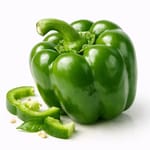
Green capsicum
Shimla mirch
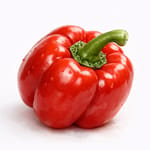
Red capsicum
Shimla mirch