


 by Workfile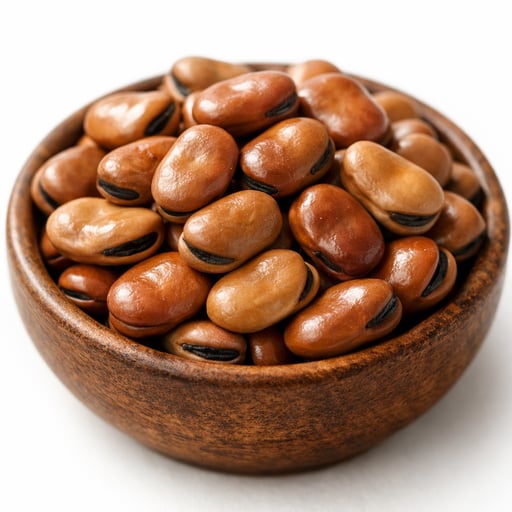
Brown field bean
Sem
Phaseolus vulgaris
Also known as: Urohi guti, Shim, Common bean, Fieldbean, Broad bean, String bean, Valpapdi, Avare, Moang
Field bean, brown is a type of legume commonly used in Indian cuisine. It is cooked before consumption and valued for its significant protein, fiber, and folate content.
Nutrition per 100g
Nutrient Breakdown
Key Nutrients(21)
% DV = % Daily Value (adult RDA, ICMR 2020). Values per 100g edible portion.
Use Brown field bean in meal plans
17,000+ foods with real-time nutrient tracking, AI generation, and WhatsApp sharing.
Start FreeFree plan · No credit card
Common questions about Brown field bean
How many calories are in 1 katori cooked dal of Brown field bean?
1 katori cooked dal (150 g) of Brown field bean has about 424 kcal, based on 283 kcal per 100 g.
How much protein is in Brown field bean?
Brown field bean provides about 19.9 g of protein per 100 g.
How much sugar does Brown field bean contain?
Brown field bean has about 1.2 g of total sugars per 100 g.
Is brown field bean suitable for vegan diets?
Yes, brown field bean is plant-based and suitable for vegans.
How is brown field bean typically prepared?
It is usually soaked and then cooked by boiling or pressure cooking, commonly used in dals and curries.
Does brown field bean contain common allergens?
No, field bean does not contain common allergens like gluten, dairy, nuts, or soy.
About Brown field bean
Field bean (brown) is a legume widely consumed in various Indian dishes such as dals and curries. The beans are typically soaked and cooked, making them easier to digest and enhancing nutrient availability.
This bean is rich in folate (B9), providing over 500 µg per 100 g cooked portion, and a good source of dietary fiber, contributing about 7 g per 100 g. It also provides significant amounts of protein (~9 g per 100 g) and important minerals like copper, manganese, phosphorus, selenium, and magnesium.
Being a plant-based protein source, it is suitable for vegan diets. The low-fat content and absence of common allergens make it versatile and nutritious for various dietary preferences.
- High in folate, beneficial for cell function and metabolism
- Good source of fiber, supporting digestive health
- Contains significant protein, aiding muscle repair and growth
Values per 100g edible portion.
Nutrition data is for reference only. Values may vary by preparation method, brand, and region. Full disclaimer
Similar foods
Browse all →
White field bean
Sem
Black field bean
Sem
Field beans, tender, broad
Sem
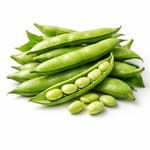
Field beans, tender, lean
Sem
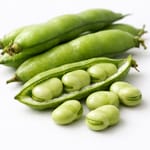
Broad beans
Bakla
Brown cowpea
Lobia
Cluster beans
Gaur-ki-phalli
White cowpea
Lobia