


 by Workfile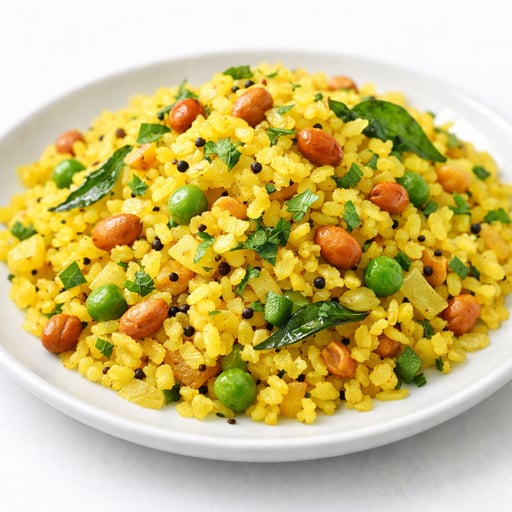
Poha
पोहा
Poha is a popular Indian breakfast dish made from flattened rice, often combined with spices, vegetables, and peanuts for added flavor and nutrition.
Nutrition per 100g
Nutrient Breakdown
Key Nutrients(18)
% DV = % Daily Value (adult RDA, ICMR 2020). Values per 100g edible portion.
Use Poha in meal plans
17,000+ foods with real-time nutrient tracking, AI generation, and WhatsApp sharing.
Start FreeFree plan · No credit card
Common questions about Poha
How many calories are in 1 bowl of Poha?
1 bowl (55 g) of Poha has about 162 kcal, based on 295 kcal per 100 g.
How much protein is in Poha?
Poha provides about 6.1 g of protein per 100 g.
How much sugar does Poha contain?
Poha has about 0.9 g of total sugars per 100 g.
Is poha suitable for vegetarian diets?
Yes, poha is typically vegetarian as it is made from flattened rice cooked with spices and oil without meat or eggs.
What are common allergens in poha?
Poha may contain peanuts if added as garnish, so it may not be suitable for people with peanut allergies.
How should I store poha?
Cooked poha should be consumed fresh or stored in the refrigerator and eaten within a day to maintain freshness and safety.
About Poha
Poha, or flattened rice, is a traditional Indian breakfast dish made by lightly steaming and softening flattened rice flakes. Originating from various regions of India, it's particularly popular in Maharashtra and is often made with onions, spices, peas, and sometimes peanuts. The dish is typically enjoyed warm, seasoned with mustard seeds and garnished with coriander and lemon juice.
Nutritionally, Poha is a source of carbohydrates and provides a modest amount of protein and fat, making it a satisfying meal option. It is generally low in calories, making it suitable for those looking to maintain their weight. With its versatility, it can be enhanced with vegetables or nuts, providing added nutrition and flavor.
This dish is gluten-free and can be prepared quickly, making it a convenient option for busy mornings. Poha is often served for breakfast, but can also be enjoyed as a snack or at evening tea time.
Values per 100g edible portion.
Nutrition data is for reference only. Values may vary by preparation method, brand, and region. Full disclaimer
Contains data from Indian Nutrient Databank (INDB), University of Edinburgh, licensed under CC BY 4.0, modified for presentation.
Report a data issueSimilar foods
Browse all →
Vegetable poha
Sprouted moong poha
Poha with curd
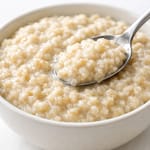
Oatmeal Porridge
ओटमील पोरीज
Maize porridge
Puffed wheat
Puffed millet
Poshtik khichdi/khichri