


 by Workfile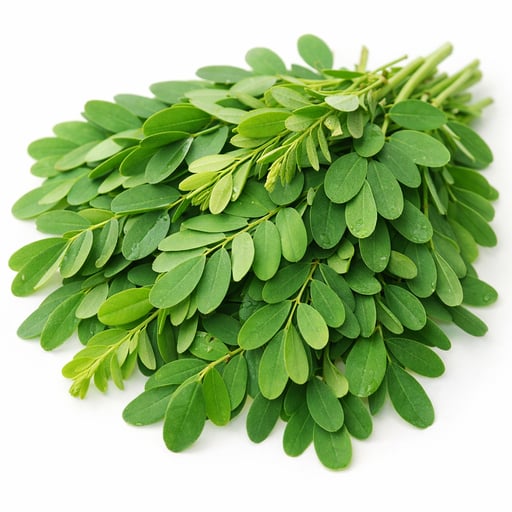
Agathi leaves
Agasthi
Sesbania grandiflora
Also known as: Bok phular paat, Bak ful shak, August tree leaves, Humming bird tree leaves, spinach, Agathio, Agase soppu, Agathi cheera
Agathi leaves are edible leafy greens commonly used in South Indian cuisine, known for their distinctive flavor and nutrient content.
Nutrition per 100g
Nutrient Breakdown
Key Nutrients(21)
% DV = % Daily Value (adult RDA, ICMR 2020). Values per 100g edible portion.
Use Agathi leaves in meal plans
17,000+ foods with real-time nutrient tracking, AI generation, and WhatsApp sharing.
Start FreeFree plan · No credit card
Common questions about Agathi leaves
How many calories are in 1 katori cooked of Agathi leaves?
1 katori cooked (100 g) of Agathi leaves has about 71 kcal, based on 71 kcal per 100 g.
How much protein is in Agathi leaves?
Agathi leaves provides about 8 g of protein per 100 g.
How much sugar does Agathi leaves contain?
Agathi leaves has about 0.2 g of total sugars per 100 g.
How are Agathi leaves commonly cooked or used?
They are usually cooked as a vegetable, added to dals, or included in stir-fries in South Indian cuisine.
Are Agathi leaves suitable for vegan diets?
Yes, Agathi leaves are completely plant-based and suitable for vegan diets.
How should Agathi leaves be stored?
Store fresh Agathi leaves in a refrigerator wrapped in a damp cloth or plastic bag and consume within 2 days for best freshness.
About Agathi leaves
Agathi leaves, also known as Sesbania grandiflora, are a popular leafy vegetable in parts of South India. They are typically cooked as a vegetable or incorporated into dals and stir-fries, imparting a unique taste and aroma.
These leaves are high in vitamin K, vitamin C, and calcium, providing notable amounts of selenium and folate as well. The leafy greens also offer dietary fiber, manganese, and magnesium, making them a nutritious addition to meals. Due to their rich micronutrient profile, agathi leaves contribute significant vitamins and minerals to a plant-based diet.
- Often used cooked in traditional recipes
- Suitable for vegan diets
- Good to incorporate in lunch and dinner meals for added nutrition
Values per 100g edible portion.
Nutrition data is for reference only. Values may vary by preparation method, brand, and region. Full disclaimer
Similar foods
Browse all →
Green amaranth leaves
Chaulai
Green colocasia leaves
Arvi ka sag
Green gogu leaves
Pitwa
Amaranth leaves, red and green mix
Chaulai
Red gogu leaves
Pitwa
Amaranth leaves, red mix
Chaulai
Amaranth spinosus, leaves, green mix
Kantewali-notya
Amaranth spinosus, leaves, red and green mix
Kantewali-notya